
Top 10 Gravel Bikes in Canada for 2026: Complete Buyer's Guide
Top 10 Gravel Bikes in Canada for 2026: Complete Buyer's Guide
Gravel cycling has gone from a niche to a mainstream way to ride in Canada, especially if you want one bike that can handle pavement, rail trails, cottage roads, and “shortcut” detours that turn into unmaintained gravel. For 2026, most major brands have refined their gravel platforms with better tire clearance, calmer handling on rough surfaces, smarter storage and mounting options, and drivetrains that are purpose-built for mixed terrain.
This guide is written for shoppers with commercial intent. You’re comparing options, narrowing down models, and trying to buy the right bike the first time. We’ll cover what matters most (fit, gearing, tire clearance, materials, and intended use), explain the gravel bike vs road bike decision, and then list ten top gravel bikes you can realistically consider in Canada for 2026. We will also highlight where bikes like the Specialized Diverge and Giant Revolt fit in.
If you’re shopping locally, whether you’re searching “gravel bikes Toronto” or comparing pricing and availability across provinces, these considerations will translate to what you’ll actually ride: mixed surfaces, changing weather, and long distances with gear.
Gravel bike vs road bike: which should you choose?
A road bike is optimized for speed and efficiency on smooth pavement. A gravel bike (sometimes called an all-road bike or an adventure bike, depending on geometry and mounts) is optimized for comfort, control, and traction on imperfect surfaces, without feeling like a mountain bike on the road.
Choose a gravel bike if most of the following are true:
- You ride mixed terrain (pavement + packed dirt + gravel) or want the freedom to explore.
- Your routes include potholes, chipseal, hardpack trails, or seasonal rough roads.
- You want bigger tires (typically 38–50mm), lower gearing, and stable handling.
- You plan to carry gear for commuting, bikepacking, or long days out.
Choose a road bike if:
- You mainly ride smooth pavement and value sharp, fast handling.
- You care most about drafting, group rides, and pure speed.
- You don’t need large tire clearance or cargo mounts.
If you’re still deciding, a helpful related comparison is here: Mountain Bike vs. Road Bike: Which is Right for You?. While it’s not gravel-specific, it clarifies how geometry, tires, and terrain priorities shape the right choice.
Quick definitions: gravel, all-road, and adventure bikes
- All-road bikes: Closer to endurance road bikes. They usually run 32–40mm tires, have fewer mounts, and deliver a quicker feel on pavement.
- Gravel bikes: Balanced mixed-surface design. They typically run 38–47mm tires (sometimes more), include stable geometry, and use off-road-ready gearing.
- Adventure bikes: Built for rougher trails and carrying loads. Expect more mounts, sometimes suspension features, and often bigger tire clearance.
In practice, many modern bikes overlap across these categories. Your best move is to shop by where you ride and what you carry.
Gravel bike buying guide (Canada): what matters most in 2026
1) Tire clearance: the #1 capability upgrade
Tires are the biggest performance lever in gravel cycling. Wider tires let you run lower pressure for comfort and traction, which can make a bigger difference than frame material upgrades.
- 38–40mm: Fast “all-road” gravel, lots of pavement, smoother gravel.
- 42–45mm: The modern sweet spot for mixed gravel routes.
- 47–50mm+: Rougher terrain, chunk, and bikepacking comfort.
In Canada, where spring washboard and loose gravel are common, many riders find 42–45mm the most versatile range.
2) Geometry: stability vs snap
Geometry determines whether a bike feels calm on descents and rough roads, or quick and road-like.
- Longer wheelbase + slacker head angle: more stability off-road.
- Shorter wheelbase + steeper head angle: quicker steering, livelier on pavement.
If you’re new to gravel cycling, prioritize stability. If you’re coming from road riding and mostly do smooth gravel, a more responsive all-road style can feel familiar.
3) 1x vs 2x drivetrains (and why it matters)
This is one of the biggest spec decisions in a gravel bike buying guide.
- 1x (single chainring): simpler, quieter, fewer shifting issues in rough conditions, better chain retention. Great for mixed terrain and techy gravel. Trade-off: bigger gaps between gears.
- 2x (double chainring): tighter gear steps and often a wider overall range. Great if you ride long pavement stretches, fast group rides, or want smoother cadence control. Trade-off: more complexity.
Many 2026 builds also use gravel-specific “wide” gearing, such as XPLR-style cassettes, which makes 1x much more practical than it used to be.
4) Carbon vs aluminum vs steel
- Carbon: lighter and can be tuned for comfort. Typically the best for long mixed rides and performance builds, but costs more.
- Aluminum: excellent value and durability. Slightly harsher ride unless paired with wider tires and a compliant seatpost.
- Steel: smooth ride feel and tough. Often heavier, but beloved for adventure bikes and loaded riding.
For “best gravel bikes 2026” lists, carbon dominates the performance category, while aluminum often wins for value and winter-ready practicality in gravel bikes Canada shoppers.
5) Mounts, storage, and real-world utility
If you commute, bikepack, or ride long routes in variable weather, look for:
- Top tube and down tube mounts
- Rack and fender compatibility
- Frame storage (or bag-friendly shapes)
- Dynamo routing (less common, but valuable for touring builds)
6) Wheels and wheel depth: speed vs control
Wheels matter for both durability and ride quality. Gravel wheels should prioritize strength and appropriate internal rim width for your tire size. Deeper carbon wheels can be fast, but crosswinds and rough surfaces change the equation.
If you’re considering a wheel upgrade, this explainer is useful: Wheel Depth Guide: How to Choose Between 30mm, 50mm, and 80mm Carbon Wheels for Road and Gravel. For most gravel riders, moderate depths and wider rims tend to be the best blend of control and efficiency.
7) Fit and contact points: the “hidden” performance upgrade
Even the best bike can feel wrong if the fit is off. Before you overspend on carbon or electronic shifting, prioritize:
- Proper frame size and stack/reach
- Saddle that fits your anatomy
- Handlebar width and flare that match your shoulders and off-road control needs
- Correct crank length (often overlooked)
For gravel bikes Toronto buyers doing longer mixed routes, a comfort-first fit usually leads to faster average speeds because you can stay fresh longer.
Top 10 gravel bikes in Canada for 2026 (ranked picks and who they’re for)
The “best” gravel bike depends on your terrain, pacing, and whether you value race speed, all-day comfort, or gear-hauling versatility. The list below mixes performance leaders, do-it-all options, and value builds that make sense for real Canadian riding.
1) Specialized Diverge (platform pick: best overall versatility)
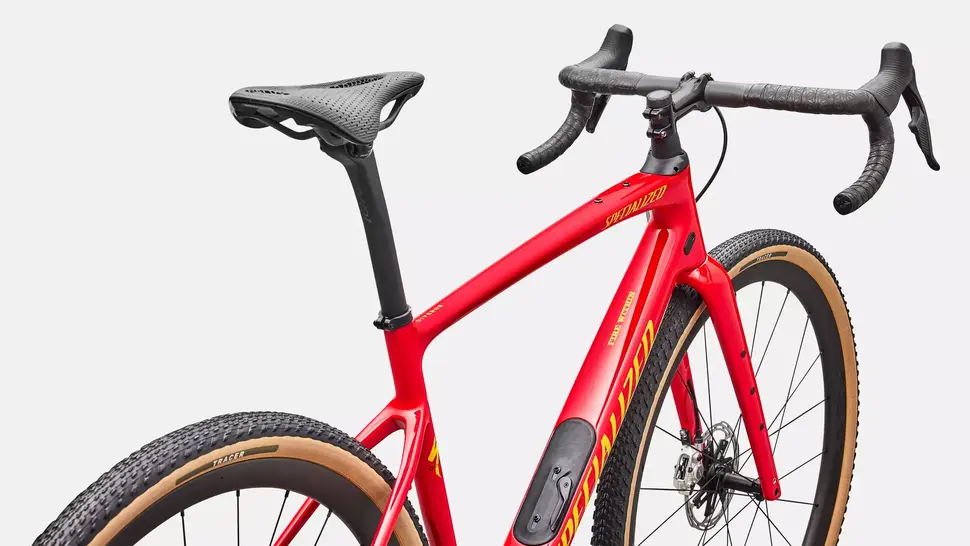
The Specialized Diverge remains one of the most adaptable modern gravel platforms. Its strength is balance: confident handling on loose surfaces, excellent tire clearance, and a design that can be set up for fast all-road riding or loaded adventure days. It’s also a common benchmark in the gravel bike vs road bike debate because it can be made to feel surprisingly quick on pavement with the right tires and wheels.
- Best for: riders who want one bike for mixed terrain, long rides, and future upgrades
- Why it stands out: proven geometry, broad model range, and comfort-forward design
See current Diverge options in-store and online. One example build is the 2026 Diverge 4 Expert - SRAM Rival XPLR.
2) Giant Revolt (platform pick: best value-to-performance)
The Giant Revolt line is a consistent favourite among gravel bikes Canada shoppers because it tends to deliver strong specs for the money, with stable handling and practical versatility. Revolt builds cover everything from alloy value bikes to lightweight carbon models that can toe the line on group rides and still handle long gravel events.
- Best for: riders who want a dependable, well-priced do-it-all gravel bike
- Why it stands out: excellent spec packages and a wide range of trim levels
Two current examples worth comparing:
3) Specialized Diverge STR (best comfort-focused performance adventure bike)
If you want maximum comfort without moving to a mountain bike, the Diverge STR is in a category of its own. Its suspension-inspired compliance is designed to reduce fatigue and improve control on rough surfaces while keeping the handling precise. For long-distance gravel cycling, especially on washboard, chunky concessions, and imperfect roads, comfort can be speed.
- Best for: long rides, rough gravel, comfort-first riders who still want a performance bike
- Why it stands out: comfort tech that meaningfully reduces vibration and fatigue
One standout build: Diverge STR Expert - SRAM GX AXS.
4) Specialized Diverge Comp Carbon (best “fast gravel” carbon option)
For riders who want a lighter carbon gravel bike that can still handle real gravel routes, a Diverge carbon build is a classic move. It’s a strong choice if you ride a lot of mixed pavement and gravel and want a bike that responds quickly to accelerations and climbs.
- Best for: riders who want carbon performance without giving up everyday gravel capability
- Why it stands out: efficient feel with practical clearance and geometry
Example: 2026 Diverge 4 Comp Carbon - SRAM Apex AXS.
5) Giant Revolt Advanced Pro (best for lightweight speed with real gravel chops)
If you’re leaning toward event-style gravel riding, spirited group rides, and frequent climbing, a carbon Revolt Advanced Pro build offers a quick, efficient ride while remaining stable enough for loose surfaces. Electronic shifting options can also be compelling if you ride in messy conditions and value crisp shifting under load.
- Best for: performance-focused riders, events, fast mixed-surface riding
- Why it stands out: a strong blend of low weight, stability, and modern drivetrain options
See: 2026 Revolt Advanced Pro 1 - Sram Rival AXS.
6) Giant Revolt (alloy builds) (best practical, Canadian-season-ready gravel bike)
For riders who want durability, simpler ownership, and solid performance through shoulder-season conditions, an alloy gravel bike remains a smart purchase. Many Canadian riders keep an alloy gravel bike as a “workhorse” that can run fenders, survive road grit, and still feel lively with the right tires.
- Best for: commuting, training, winter or shoulder seasons, budget-conscious shoppers
- Why it stands out: value, durability, and easy practicality
Example to compare in this category: 2026 Revolt 0 - Shimano GRX 12s.
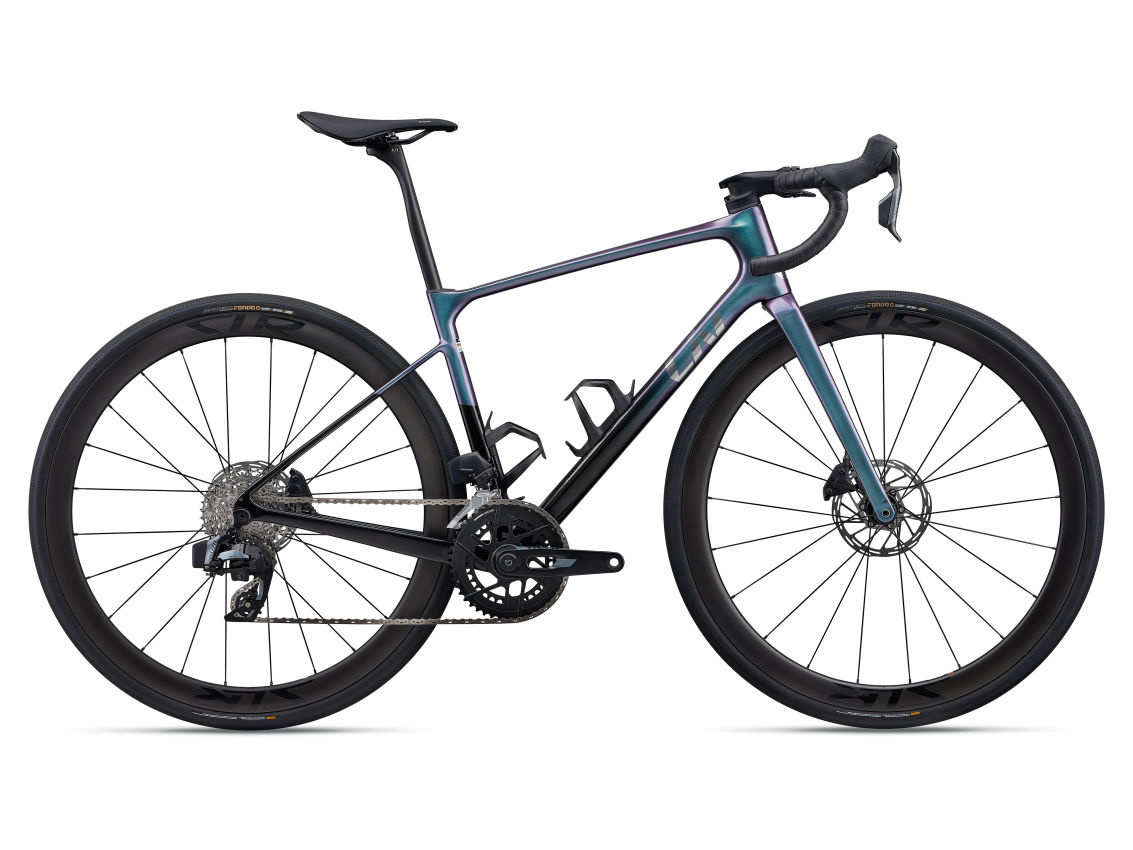
7) Liv Devote Advanced (best gravel bike option tuned for Liv fit philosophy)
Liv’s Devote Advanced line is a strong gravel option for riders who want a performance-oriented gravel bike built around Liv’s fit and touchpoint approach. It’s a great pick if you want a capable platform for long gravel days, fast training rides, and event-style routes, without feeling overly “monster gravel.”
- Best for: riders looking for a high-performance gravel bike with Liv sizing and spec choices
- Why it stands out: efficient ride character with real gravel capability
Example: 2026 Devote Advanced 2.
8) Race-gravel focused bikes (best for start lines and speed priorities)
Race-oriented gravel bikes are designed for higher average speeds, quicker handling, and efficient power transfer. Compared to adventure bikes, they often have fewer mounts, a racier position, and a sharper feel. If you’re a road rider crossing over and you want a gravel bike that still feels fast-first, this category is worth a look.
- Best for: gravel events, fast group rides, riders who prioritize speed over cargo capacity
- What to check: tire clearance (don’t compromise too far), gearing range for steep loose climbs, and stability at speed on rough descents
If you’re unsure whether you’ll prefer race-gravel or more versatile adventure geometry, test rides are often the fastest way to decide.
9) Adventure / bikepacking gravel bikes (best for racks, bags, and long routes)
If your dream rides include overnighters, rail-trail tours, or long remote loops, prioritize mounts and cargo compatibility. Adventure bikes often run slightly more upright, accept larger tires, and provide more stable handling with weight on the bike.
- Best for: bikepacking, commuting with cargo, exploring unpaved routes
- What to check: rack and fender mounts, bottle capacity, tire clearance, and low “granny” gearing
Many riders in gravel bikes Toronto searches actually want this category because it fits weekend getaways, mixed weather, and the practical reality of carrying layers and tools.
10) All-road gravel bikes (best for “mostly pavement, some gravel” riders)
All-road bikes are ideal if you ride a lot of pavement but want the freedom to dip onto hardpack and light gravel. They’re also a smart choice if you want one bike for endurance road riding plus occasional gravel cycling without the sluggish feel of very wide tires.
- Best for: endurance road riders who want extra tire clearance and comfort
- What to check: clearance for at least 38–40mm tires, fender options, and gearing appropriate for your local climbs
How to choose the right gravel bike from the list
Step 1: Be honest about your surfaces
Write down your typical ride surfaces by percentage. For example: 60% pavement, 30% hardpack, 10% loose gravel. This simple exercise often clarifies whether you want an all-road bike, a balanced gravel bike, or an adventure bike.
Step 2: Pick tire width first, then pick the bike
Instead of shopping by brand first, shop by the tire size you’ll realistically run most of the time:
- 38–40mm if you want speed on pavement and smooth gravel
- 42–45mm for the most do-it-all gravel riding
- 47mm+ for rough routes and comfort-first riding
Then confirm the bike has comfortable clearance (including mud room) for that tire size.
Step 3: Choose your drivetrain: 1x simplicity or 2x cadence control
If you ride rolling gravel and varied terrain with steep pitches, 1x can be fantastic. If you ride long paved transitions, do group rides, or care about tight cadence steps, 2x may make you happier. Either can be “best.” It’s about where you ride.
Step 4: Decide if electronic shifting is worth it
Electronic shifting can be a real upgrade in messy conditions and long rides: consistent shifts, less cable maintenance, and strong ergonomics. The trade-offs are higher cost and the need to keep batteries charged. If you’re riding frequently and value fuss-free shifting, it can be a smart investment.
Step 5: Budget for the essentials
A common mistake is spending everything on the bike and under-buying the parts that make gravel riding comfortable and reliable.
- Pedals: consider MTB-style clipless for walkability and mud-shedding. Browse MTB/Gravel Clipless Pedals.
- Shoes: gravel-friendly shoes balance stiffness and traction off the bike. See MTB/Gravel Shoes.
- Wheels: a durable wheelset matched to your tire size can transform ride quality. Explore Road & Gravel Wheels.
Recommended picks by rider type (quick shortcuts)
- Best “one bike for everything”: Specialized Diverge (broad range, very adaptable)
- Best value performance in Canada: Giant Revolt (especially strong spec packages)
- Best comfort for rough gravel: Specialized Diverge STR
- Best fast carbon gravel: Diverge Comp Carbon or Revolt Advanced Pro builds
- Best practical workhorse: Revolt alloy builds with fenders and utility setup
- Best Liv option: Liv Devote Advanced
What to look for when test riding gravel bikes (especially in Toronto and other urban areas)
Test rides can be short, but you can still learn a lot. If you’re testing gravel bikes in Toronto or another city where you may not immediately hit dirt, focus on:
- Low-speed handling: does it feel stable when you ride one-handed or look over your shoulder?
- Out-of-saddle response: does it surge forward or feel soft?
- Seated comfort: does the position feel sustainable for 2–4 hours?
- Braking control: smooth, predictable braking matters on wet spring roads and loose gravel.
- Gear range: try a short hill. If it feels too hard now, it’ll feel worse on loose climbs.
FAQs: common questions Canadian gravel bike shoppers ask
What tire size is best for gravel bikes Canada riders?
For mixed Canadian conditions, 42–45mm is the most versatile choice for comfort and traction without feeling slow on pavement. If you ride mostly road, 38–40mm can be ideal. For rougher routes or maximum comfort, consider 47mm+ if your frame supports it.
Do I need suspension on a gravel bike?
Not necessarily, but comfort features can make long rides faster and more enjoyable by reducing fatigue. Bikes like the Diverge STR target riders who want extra comfort and control on rough gravel without switching to a mountain bike.
Are gravel bikes good for commuting?
Yes, especially if the frame supports fenders and you can fit durable tires. Many riders choose gravel bikes because they handle broken pavement and potholes better than road bikes while still being efficient for distance.
How much should I spend for a “good” gravel bike in 2026?
Value-focused aluminum gravel bikes can be excellent for most riders, especially if you prioritize tire quality and a good fit. Carbon models add performance and comfort, but the best return often comes from tire choice, gearing that matches your terrain, and reliable brakes and wheels.
Shop gravel bikes (Canada): a practical next step
If you’re ready to compare specs and pricing across a range of builds, start with the full selection of Gravel Bikes. Shortlist two or three models, then choose based on your tire-width goal, drivetrain preference, and whether you want an all-road bike feel or a more adventure-focused setup.
When in doubt between two great options, choose the bike that fits better and supports the tires you actually want to run. Those two factors usually matter more than small differences in groupset level.
Top picks recap: the standouts for 2026
- Specialized Diverge: best overall versatility and upgrade path
- Giant Revolt: best value-to-performance and broad lineup
- Diverge STR: best comfort-forward performance for rough gravel
- Diverge Comp Carbon: excellent fast gravel carbon option
- Revolt Advanced Pro: lightweight speed with modern drivetrain options
- Liv Devote Advanced: a strong performance gravel choice in the Liv lineup
With the right gravel bike, Canadian riding opens up: back roads, rail trails, mixed-surface loops, and long days where the route is an idea more than a fixed plan. Pick the platform that matches your terrain and goals, and you’ll have a bike you’ll want to ride all year.
Recent articles
View all
POC Helmets Canada: Which One Is Right for You?
Best Endurance Road Bikes for 2026: Comfort Without Compromise
...