
Top 10 Essential Bike Accessories for Canadian Cyclists in 2026
Top 10 Essential Bike Accessories for Canadian Cyclists in 2026
Canada is an incredible place to ride-but it’s also demanding on your gear. Potholes and streetcar tracks in cities, sudden weather changes, early sunsets in winter, and long stretches between services on weekend rides all make the right add-ons feel less like “nice-to-haves” and more like cycling essentials. If you’re shopping for the best bike accessories in 2026, the smartest approach is to prioritize safety, reliability, and the kind of daily convenience that keeps you riding more often.
Below are 10 must-have cycling gear picks for Canadian riders, with practical buying advice for commuters, recreational cyclists, and performance-focused riders. Where it helps, you’ll also find curated places to shop by category-especially useful if you’re comparing bike accessories Toronto commuters rely on with what gravel and road riders need outside the city.
1) A modern, well-fitting helmet (with the right safety certifications)
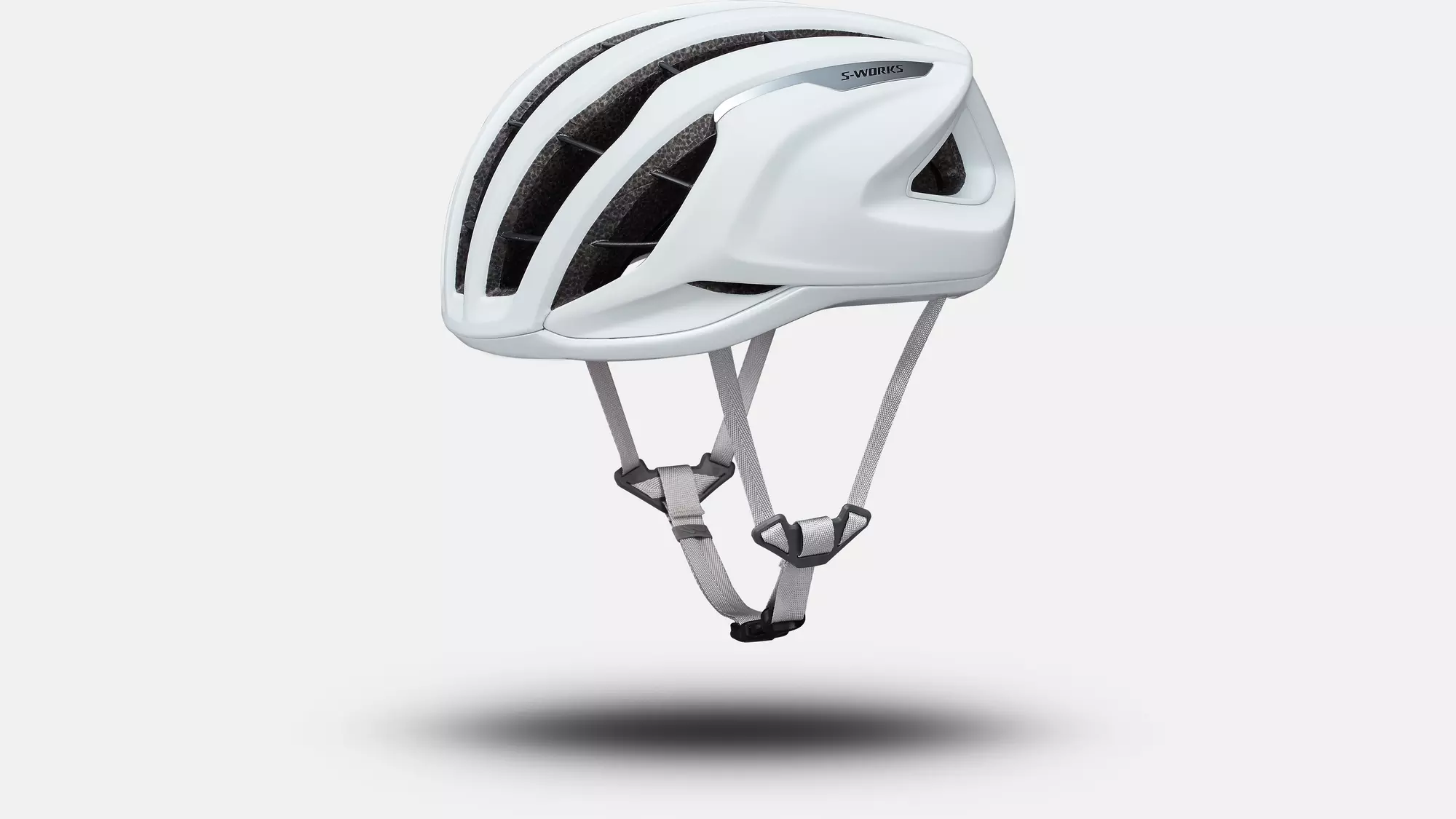
If you buy only one piece of essential bike gear, start here. A helmet’s job is simple: reduce the risk of head injury. In 2026, the “best” helmet isn’t automatically the most expensive-it’s the one that fits properly, meets recognized standards, and suits your riding style.
What to look for in 2026:
- Certified protection: Look for CSA, CPSC, ASTM, or CE certifications (you’ll see these on the helmet and packaging). If you ride BMX, downhill, or aggressive trail, check for more specific coverage standards.
- Rotational impact features: Many helmets include slip-plane or rotational energy management systems designed to help reduce rotational forces in angled impacts.
- Fit system and head shape: A great retention system matters more than a few grams of weight savings. Try different shapes-some brands fit rounder heads, others more oval.
- Seasonal practicality: For Canadian shoulder seasons, consider models that accept a thin cap, have manageable venting, and pair well with clear eyewear.
Quick fit checklist: The helmet should sit level (not tilted back), feel snug all around without pressure points, and stay in place when you shake your head gently with the straps fastened. Replace any helmet after a crash impact, or if it’s showing cracks or degraded foam.
Browse options here: Helmets.
2) High-visibility lights (front and rear) you can trust year-round
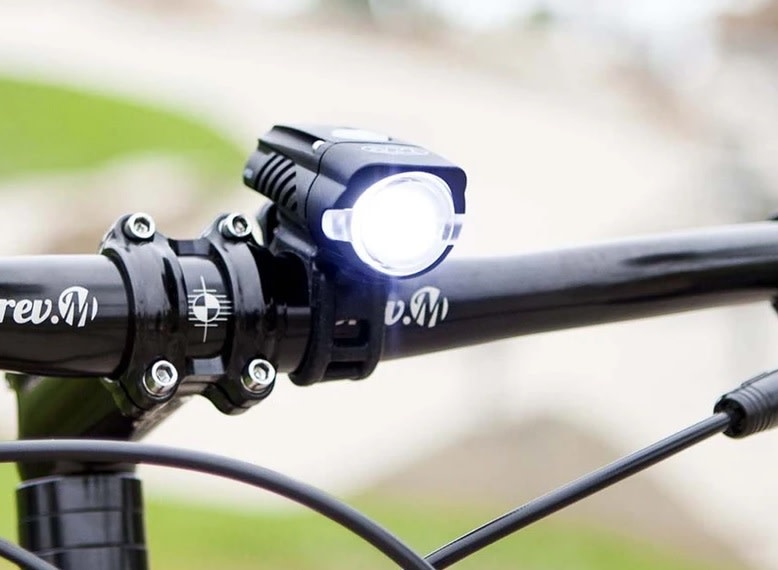
Ask any experienced Canadian commuter what the best bike accessories are, and lights will be near the top. Visibility isn’t just for night riding-rain, fog, tree shade, and the low sun angle in fall and winter can make you disappear. Good lights are among the most effective bike safety accessories you can add.
What to look for:
- True daytime visibility: A strong “day flash” mode helps you stand out in traffic, especially in busy urban corridors.
- Runtime you’ll actually use: A light that dies mid-ride isn’t a safety upgrade. Choose realistic runtimes at your preferred brightness, not just the maximum-lumen claim.
- Weather resistance: Look for solid water resistance ratings and reliable port covers-Canadian slush and spring rain are unforgiving.
- Mount stability: A secure mount reduces rattles and prevents the beam from bouncing down over rough pavement.
Buying tip: Many riders benefit from two rear lights-one steady, one flashing-for redundancy. For urban riders, a wide-angle rear light improves side visibility at intersections.
Shop by category: Lights.
3) A serious bike lock (matched to your risk level)
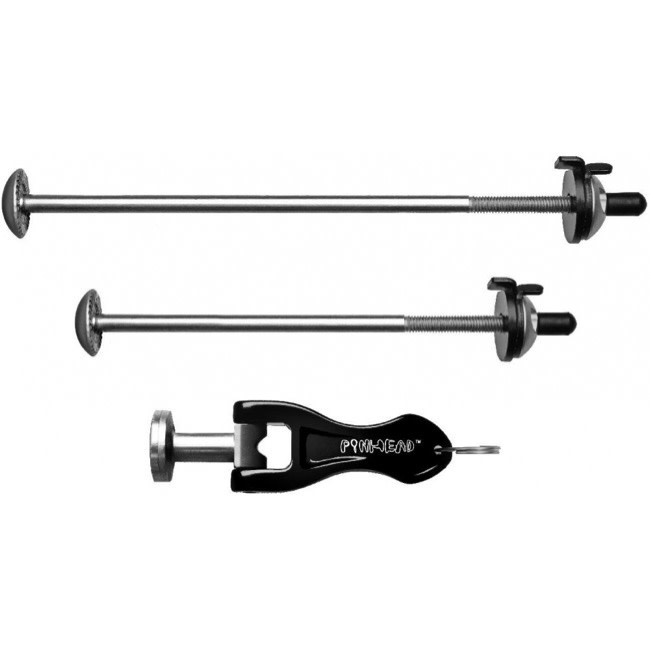
In many Canadian cities, theft risk is high enough that a basic cable lock is more of a deterrent than real protection. A quality lock is one of the most important cycling essentials for commuters and anyone who leaves a bike unattended-even briefly.
Common lock types and who they suit:
- U-lock (D-lock): Often the best security-per-dollar for urban use. Look for a hardened shackle, secure locking mechanism, and a size that can capture both frame and a wheel when possible.
- Chain lock: Great flexibility for awkward racks and thick posts. More portable than many expect if worn as a belt or stored in a bag, but weight can add up.
- Folding lock: Compact and convenient; security varies widely by model and joint design.
How to lock smarter: Secure the frame to an immovable object, prioritize high-value components (frame + rear wheel), and avoid leaving the bike in the same location daily if possible. If you’re building a “bike accessories Toronto” commuter setup, consider adding a secondary cable for the front wheel or saddle.
See options here: Locks.
4) A compact pump and/or CO2 inflator (plus the right valve compatibility)
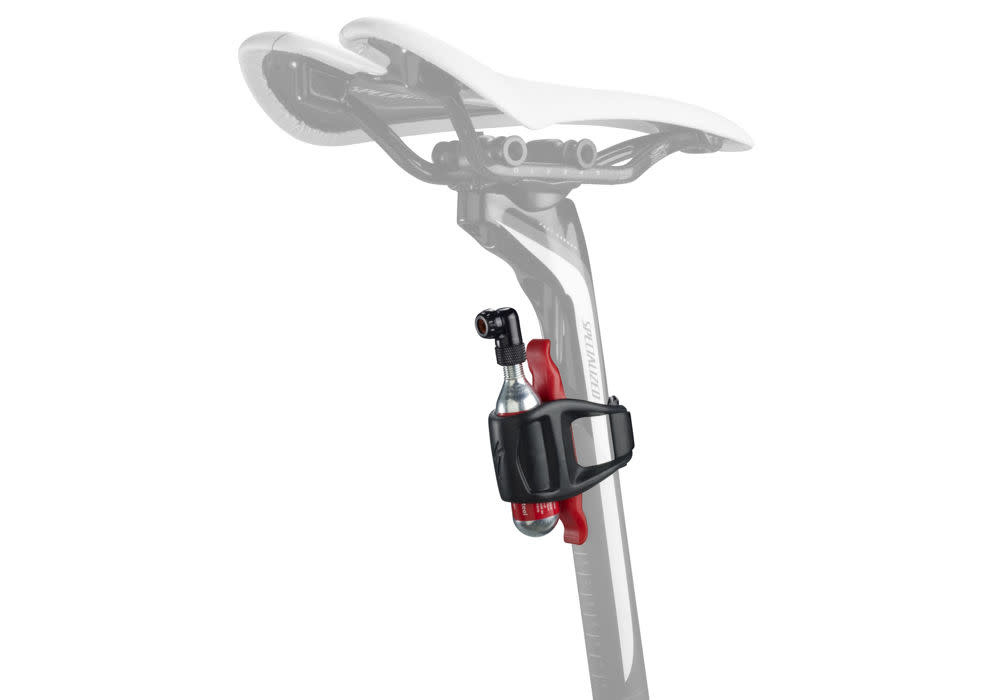
Flat tires are inevitable. The difference between a minor delay and a long walk is whether you can reinflate reliably. In 2026, pumps and inflators are lighter and more efficient than ever, but compatibility matters-especially with higher-volume gravel tires, tubeless setups, and different valve standards.
What to choose:
- Mini pump: Best for reliability and repeat use. Look for a pump that matches your tire pressure needs (high-pressure for road, high-volume for MTB/gravel).
- CO2 inflator: Fast and compact. Great for cold fingers in winter, but cartridges are one-time use and performance can vary in very cold temperatures.
- Valve support: Ensure compatibility with Presta and/or Schrader. Many modern pump heads are convertible, but not all are equally user-friendly.
Practical setup: Many riders carry both: a CO2 for speed and a mini pump as a backup. If you ride tubeless, also consider a plug kit and enough inflation capacity to seat or stabilize the tire after a puncture.
Shop here: Pumps & CO2.
5) A roadside repair kit: tube/patches, tire levers, and a multitool
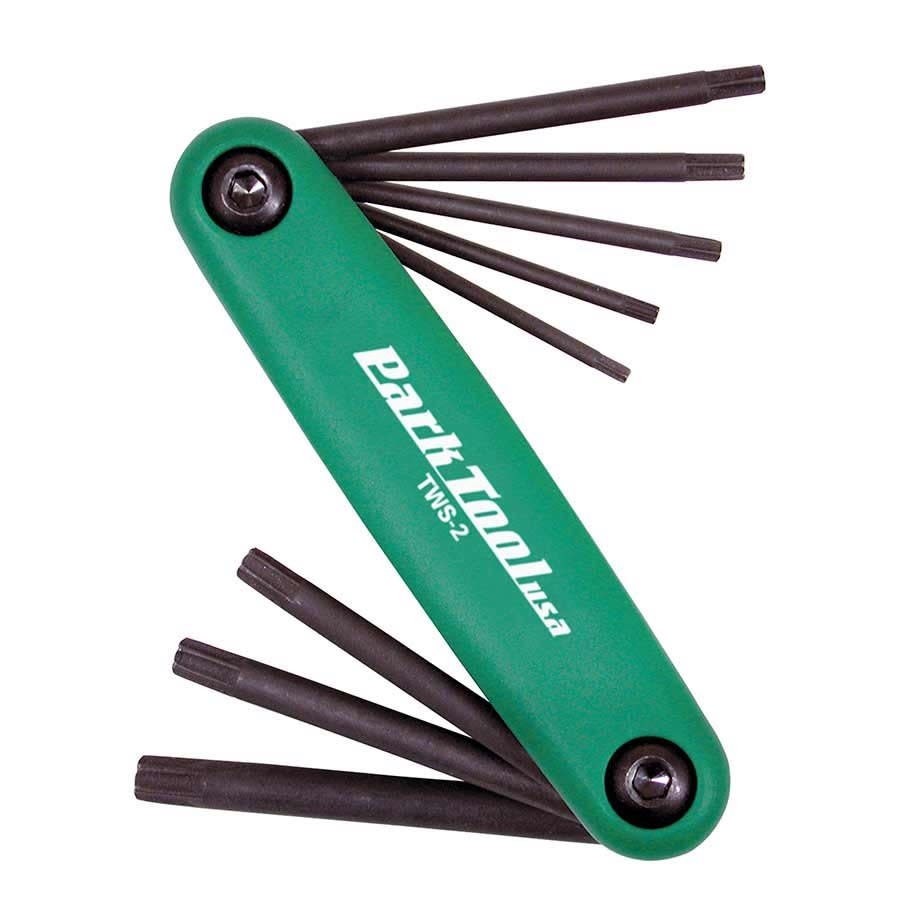
The most useful bike upgrades aren’t always flashy-they’re the ones that prevent a minor issue from ending your ride. A basic repair kit is essential bike gear for every rider, from casual weekend paths to long-distance road rides. If you’re unsure where to start, build a kit that can handle the most common problems: punctures, loose bolts, and chain issues.
Core items to carry:
- Spare tube: Even if you run tubeless, a tube can save the day if a cut won’t seal.
- Tire levers: Choose strong, rim-safe levers-especially for tight-fitting tires.
- Multitool: Make sure it includes the hex sizes your bike actually uses, plus a T25 Torx if your rotors or key bolts require it.
- Patch kit: A lightweight backup to keep you rolling after multiple punctures.
- Chain quick link and mini chain tool: High value for longer rides and gravel adventures.
Buying tip: Before you buy a multitool, check your bike’s fasteners at home. The best multitool is the one that matches your real bolts, not the one with the most features.
Explore category options: Tools. For a deeper guide, see Essential Bike Tools Every Cyclist Should Own.
6) A secure, weather-ready bag system (saddle, frame, handlebar, or rack bags)
Carrying stuff comfortably is a major quality-of-life upgrade. The right bag setup keeps tools from rattling in your pockets, protects your phone from weather, and makes commuting more practical-especially when you’re hauling layers or groceries.
Choose a bag style based on your riding:
- Saddle bag: Ideal for a small repair kit and a tube. Low profile, great for road bikes.
- Frame bag/top-tube bag: Excellent for snacks, a phone, or a battery pack. Just ensure it won’t rub cables or your knees.
- Handlebar bag: Good for quick-access storage and light touring. Stability and strap security are key.
- Panniers/rack bags: The commuter favourite for keeping weight off your back. Look for water resistance and secure hooks.
Canadian rider considerations: Water-resistant zippers, reflective accents, and easy glove-friendly pulls matter more than you’d think when the weather turns. If you’re building cycling accessories Canada commuters rely on, a durable pannier setup is often the most transformative upgrade.
Shop options: Bags.
7) Fenders (and mud flaps) that actually fit your bike and tires
Few accessories change your day-to-day comfort as much as proper fenders. They reduce road spray, keep drivetrain grime down, and make wet-weather riding far more pleasant-for you and anyone riding behind you.
What to look for:
- Coverage: Longer fenders protect better. If you ride in groups or on multi-use paths, generous coverage is a courtesy.
- Fit and clearance: Match fender width to tire width, and confirm your frame/fork clearance-especially for gravel and MTB.
- Mounting style: Full-coverage bolt-on fenders are best for regular commuting. Clip-on options are faster to install and remove but typically provide less protection.
- Mud flaps: A simple add-on can dramatically reduce spray in slushy conditions.
Practical note: If you ride year-round, fenders are among the most underrated bicycle accessories 2025 has to offer. They also help reduce water and grit reaching your chain, which can extend component life.
8) A tuned lubrication and cleaning routine (the “silent” performance upgrade)
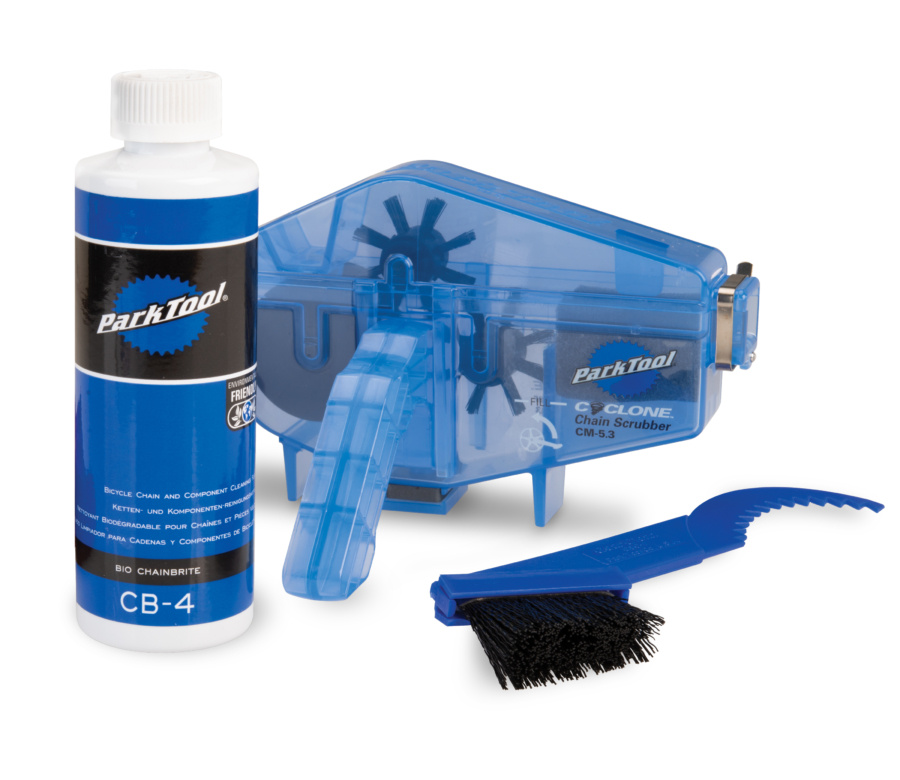
If you want your bike to feel faster, shift cleaner, and last longer, lubrication is one of the best-value bike upgrades you can make. Canada’s wet roads and winter grit can destroy drivetrains quickly without care. The right lube choice and application method matter.
How to choose lube:
- Wet lube: Better for rain and shoulder seasons, but can attract more dirt if overapplied.
- Dry lube: Cleaner in dry conditions, but may wash off quickly in wet weather.
- Wax-based options: Increasingly popular for cleanliness; results depend heavily on prep and consistent application.
Simple best practice: Clean the chain first, apply lube to the inside of each roller, let it penetrate, then wipe off the excess thoroughly. Most squeaky chains are either too dry-or too dirty from excess lube collecting grit.
Browse products: Lubricants.
9) A bell or horn and smart reflectivity (visibility beyond lights)
Lights help you be seen, but they’re not the whole visibility story. A bell is a small, affordable piece of cycling equipment that reduces close calls on multi-use paths. Reflective elements help in situations where lights aren’t aimed directly at a driver or when your battery is low.
What works well in real life:
- Bell with a clear tone: A crisp, audible ring cuts through traffic noise and wind better than a dull jingle.
- Reflective details: Reflective ankle bands create high-motion visibility that drivers notice. Reflective accents on bags and jackets add 360-degree awareness.
- Wheel or spoke reflectors: Great side visibility at intersections, where many conflicts occur.
Etiquette tip: Use a bell early and politely, then slow down and pass with space. A bell is a safety tool, not a right-of-way claim.
10) Comfort and control upgrades: pedals, grips/tape, and a solid phone mount
After safety and reliability, comfort is the next area where accessories provide huge returns. The goal is control and consistency-especially on rough pavement, longer rides, or cold days when your hands get numb.
High-impact comfort upgrades:
- Pedals that match your riding: Flat pedals with good pins for commuting and casual trail; clipless for efficiency on longer road and gravel rides. Good pedals improve confidence and reduce fatigue.
- Grips or bar tape: Thicker grips can reduce vibration; quality tape improves comfort and control. If you get hand numbness, consider fit adjustments too-accessories help, but position matters.
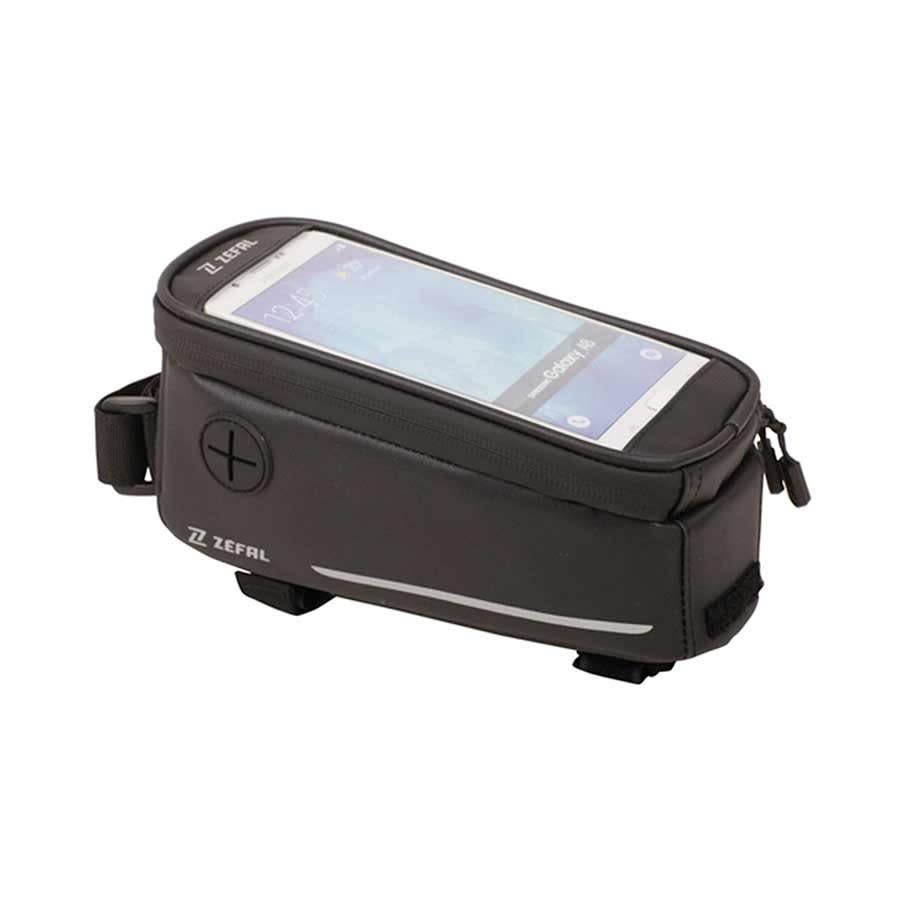
- Phone mount: Useful for navigation and commuting, but it must be secure. Look for a robust clamp, easy one-handed operation, and positioning that doesn’t interfere with cables or lights.
Cold-weather note: If you ride through winter, prioritize control-related upgrades-better grips/tape and dependable mounts can matter more when conditions are icy or slushy.
How to choose the right accessories for your riding (quick buyer’s guide)
The best bike accessories are the ones that solve your problems. Use these questions to narrow down what to buy first:
- Where do you ride most? Downtown commuting, suburban paths, gravel roads, or trails will change your priorities.
- How often do you ride in low light? If the answer is “often,” lights and reflective elements should be near the top of your list.
- Do you lock up outdoors? If yes, invest in a stronger lock and learn good locking technique.
- How far are you from help? Longer rides require a better repair kit, more inflation capacity, and more secure storage.
- What’s your biggest friction point? Arriving sweaty (consider panniers), getting flats (repair kit + tires), discomfort (contact points), or maintenance headaches (lube routine).
Recommended accessory bundles (based on real Canadian use cases)
Urban commuter bundle
- Helmet
- Front and rear lights with strong daytime modes
- High-security U-lock or chain
- Pannier or commuter bag setup
- Bell + reflective ankle bands
Weekend road and fitness rider bundle
- Helmet + reliable rear light
- Mini pump or CO2 + spare tube
- Saddle bag + multitool
- Chain lube matched to conditions
Gravel/adventure rider bundle
- High-visibility lights (front and rear)
- High-volume pump/CO2 + tubeless plug kit
- Frame bag + secure storage for tools and layers
- Extra quick link + chain tool
Where to shop for cycling essentials
If you’re comparing cycling accessories Canada riders trust, it helps to shop by category so you can evaluate features side-by-side. You can browse a wide selection of cycling equipment here: Accessories. For the most common needs, start with Lights, Locks, Pumps & CO2, Tools, Bags, and Helmets.
Final thoughts: prioritize safety first, then reliability, then comfort
When riders search for must-have cycling gear in 2026, it’s easy to get pulled toward flashy gadgets. But the most valuable bicycle accessories are the ones that keep you safe (helmet, lights, lock), keep you moving (inflation + repair kit), and make cycling easier to fit into real Canadian life (bags, fenders, and a simple maintenance routine). Choose the essentials that match how and where you ride, and you’ll get more miles, more confidence, and better performance out of every season.
If you’re planning to ride through colder months, it’s worth reviewing a dedicated checklist as well: Essential Winter Cycling Gear: Everything You Need to Ride in Cold Weather.
Recent articles
View all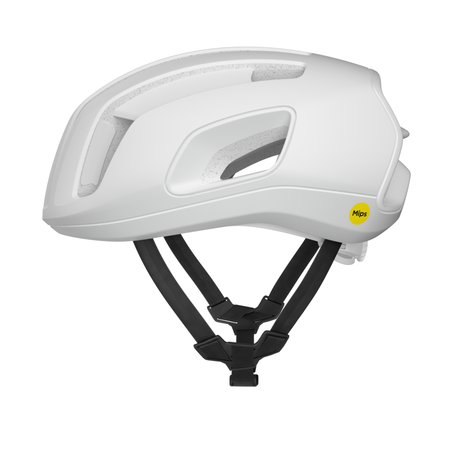
POC Helmets Canada: Which One Is Right for You?
Best Endurance Road Bikes for 2026: Comfort Without Compromise
...