
Clipless vs Flat Pedals: Which is Better for Your Riding Style?
Clipless vs Flat Pedals: Which is Better for Your Riding Style?
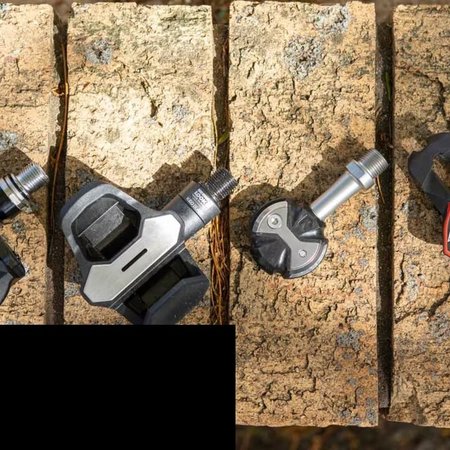
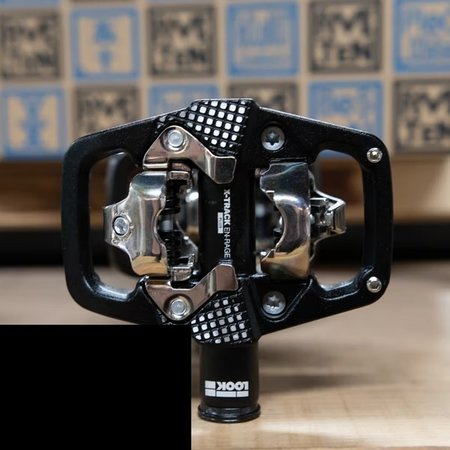
This guide breaks down the most common bike pedal types, explains real-world tradeoffs, and helps you choose the best bike pedals for your riding style. We’ll cover road bike pedals, mountain bike pedals, gravel and commuting setups, and how systems like SPD pedals differ from road-specific designs.
Quick definitions: what “clipless” and “flat” really mean
Before the comparison, it helps to define terms clearly:
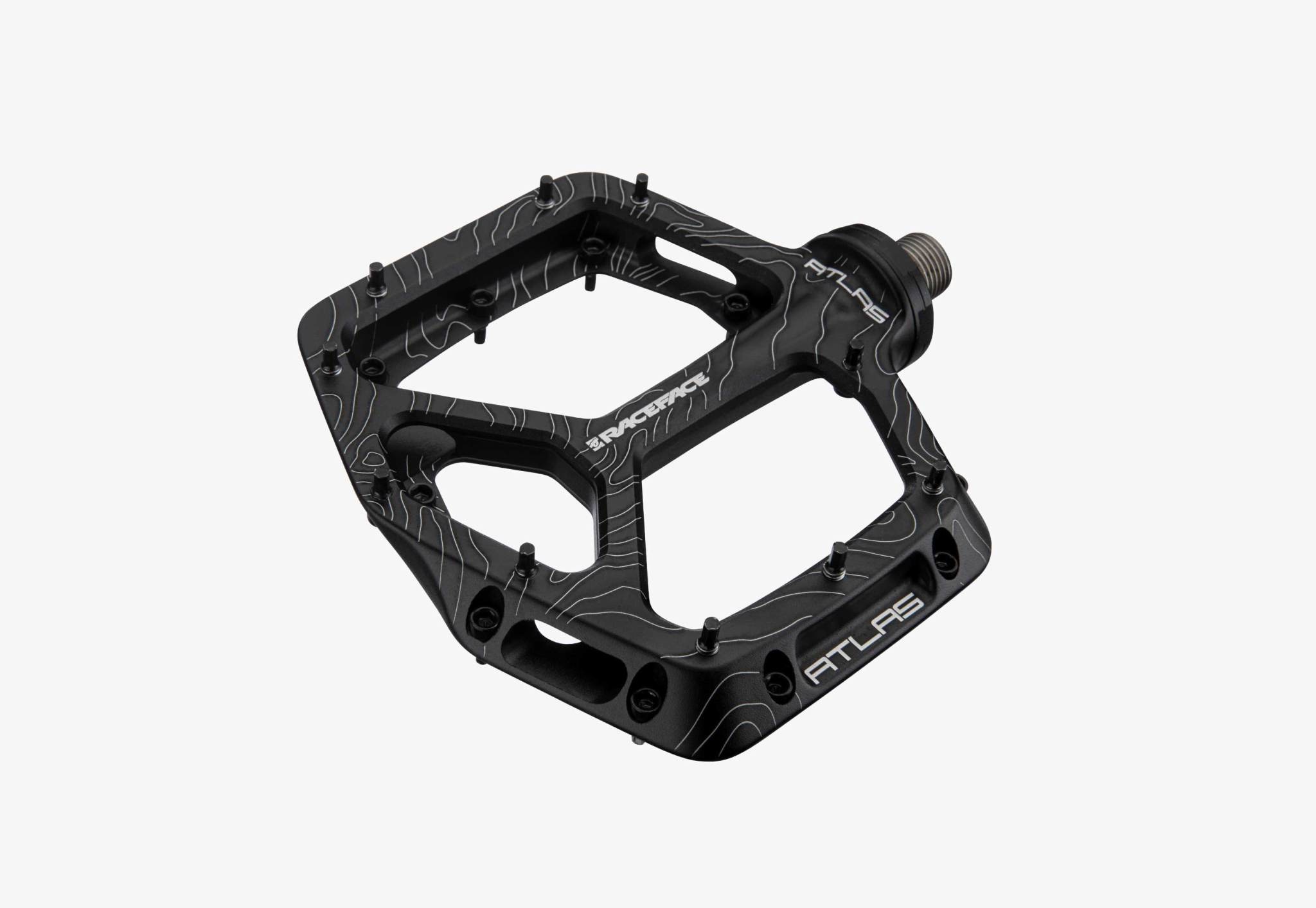
- Flat pedals (also called platform pedals) are what most people grew up with: a wide platform you can ride with regular shoes. Many modern options use metal pins and a concave shape for grip, especially flat pedals MTB riders prefer.
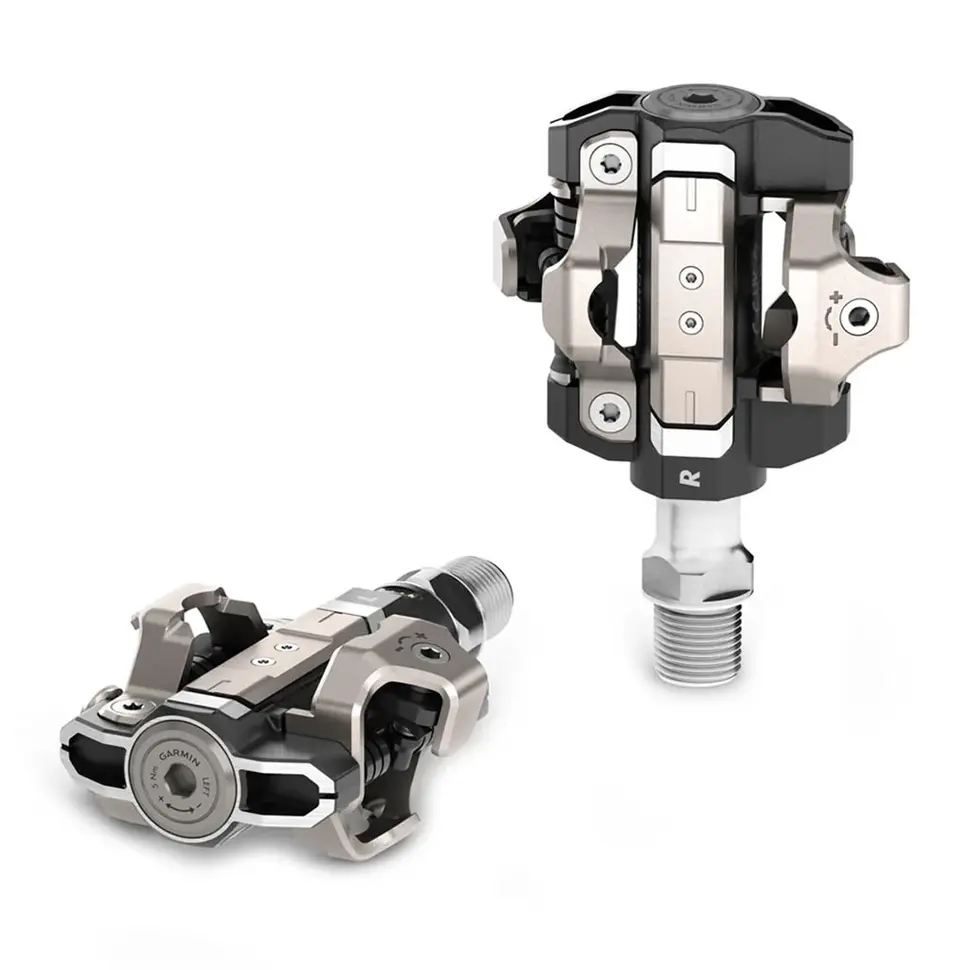
- Clipless pedals use a cleat bolted to the bottom of a cycling shoe. The cleat “clips” into a spring mechanism in the pedal for a secure connection. You release by twisting your heel, usually outward. The name is historical. “Clipless” means no toe clips or straps, not that you’re unclipped.
Both styles can be excellent. The differences show up most when you sprint, climb, ride rough trails, or need frequent stops.
Clipless vs flat pedals: the core differences that matter
A good cycling pedals comparison focuses on what changes your experience on the bike. Here are the big factors.
1) Foot security and consistency
Clipless: Your foot returns to the same position every time. This consistency can improve comfort over long rides and can reduce “hot spots” caused by repositioning or pushing on a small area of the shoe. On bumpy terrain, you’re much less likely to bounce off the pedals.
Flat: You can move your feet freely to adjust stance width or pressure points mid-ride. With good technique and the right shoes, flats can feel very secure. They will not mechanically lock you in.
2) Efficiency and power transfer
People often assume clipless automatically makes you faster. The truth is more nuanced:
- Clipless pedals benefits include a stable platform for hard efforts and sprints, plus the ability to maintain contact through rough sections. Many riders also find it easier to spin smoothly at higher cadence.
- Flat pedals can be highly efficient when paired with stiff-soled flat shoes and a grippy pedal. For many riders, the real-world power difference on steady efforts is smaller than expected.
Where clipless tends to shine is when you’re applying power unpredictably: accelerating out of corners, sprinting, climbing rough pitches where your feet might otherwise slip, or maintaining control in choppy terrain.
3) Confidence, bail-outs, and learning curve
Clipless: There’s an adaptation period. New users often worry about not unclipping in time at stops. Most riders adjust quickly, especially with lower tension settings and practicing unclipping on a safe surface.
Flat: Immediate simplicity. If you’re learning MTB skills, riding technical features, or commuting in busy traffic, being able to dab a foot instantly can increase confidence.
4) Comfort off the bike
Clipless: You’ll need cycling shoes with cleats. Walkability depends on the system. Two-bolt SPD pedals and similar MTB and gravel systems are generally easier to walk in than three-bolt road cleats.
Flat: Regular shoes work. Great for errands, casual rides, and situations where you’re on and off the bike frequently.
5) Setup, maintenance, and long-term costs
- Clipless requires shoes, cleats, and occasional cleat replacement. You’ll also want to check bolt tightness and cleat wear. The pedal mechanism can need periodic cleaning and lubrication depending on conditions.
- Flat pedals are straightforward. Pins can be replaced if damaged. Bearings still need attention over time, but there’s less system complexity.
If you want a broader overview of options, you can browse different pedal categories in a single place via Pedals.
Understanding bike pedal types: SPD, SPD-SL, and more
“Clipless” is a category, not a single standard. The cleat type matters because it affects float, release feel, stability, and how practical the system is for your riding.
SPD pedals (two-bolt): the do-it-all choice for many riders
SPD pedals (Shimano Pedaling Dynamics) are the most common two-bolt system for MTB, gravel, commuting, and mixed-surface riding. The cleat sits recessed into the shoe tread, which improves walkability and protects the cleat.
- Best for: mountain bike pedals, gravel bikes, commuting, touring, cyclocross, winter riding.
- Why riders like them: easy entry and exit, durable, workable in mud and grit, shoes are easier to walk in.
A classic example is Shimano’s double-sided SPD pedal: M540 Pedals Black. Double-sided entry is especially helpful when you’re starting out with clipless or riding stop-and-go routes.
SPD-SL (three-bolt): road-focused stability
Road systems like Shimano SPD-SL use a larger cleat and platform, optimized for steady, high-power pedaling. The shoe soles are typically very stiff, and the larger interface can feel more supportive during long efforts.
- Best for: road bike pedals, training rides, racing, long road climbs.
- Tradeoffs: cleats protrude for walking. Less practical for frequent stops or mixed terrain.
If you’re building a road-specific setup, a well-known option is Shimano R8000 Ultegra SPD-SL Pedals.
Dual-platform (one side flat, one side SPD): a versatile middle ground
If your week includes commuting in sneakers and weekend rides in cycling shoes, dual-platform designs can be the most practical solution. One side functions like a flat pedal. The other is clipless, often SPD.
A common example is EH500 Dual Platform Pedals.
Clipless pedals benefits: what you actually notice on rides
Here’s what experienced riders typically mean when they praise clipless. These are practical benefits you’ll feel, not just theory.
Better control over rough terrain and high cadence
On gravel washboard, roots, or chatter, being connected helps keep your feet stable. On the road, many riders find high-cadence spinning feels more controlled when their shoes can’t drift on the pedal.
More consistent bike fit and knee tracking
Because your foot lands in the same place each time, it’s easier to dial in saddle height and fore-aft position. It can also help some riders maintain consistent knee tracking. That said, cleat setup matters. Poor alignment can create discomfort.
Confidence when you’re tired
Fatigue makes foot placement sloppy. Clipless reduces the chance of your foot slipping at the worst moment, like mid-sprint, standing on a steep climb, or negotiating a rocky step-up.
Flat pedals MTB and beyond: why flats remain a top choice
Flats aren’t just for beginners. Many skilled riders choose them on purpose, especially on mountain bikes.
Skill development: body position and technique
Flats reward good habits. To keep traction and control, you learn to weight your feet properly, stay balanced, and keep your heels dropped through rough sections. For riders focused on improving handling and jump technique, flats can be a great training tool.
Instant foot release
In technical terrain, quick dabs can prevent a fall. On wet roots, awkward switchbacks, or trials-style moves, some riders prefer the freedom to step off instantly.
Simple, quiet versatility
Want to ride to the cafe, cruise paths, and hop onto a trail without changing shoes? Flats make that easy. They’re also an excellent choice for casual riders who don’t want cycling-specific footwear.
Which is better for your riding style? Use-case breakdown
Instead of a single verdict, match the pedal to the riding you actually do. Below is a practical decision guide based on common scenarios.
Road riding and group rides
Most riders prefer clipless. Road bike pedals (like SPD-SL) offer a stable platform, especially during longer rides with sustained tempo and climbing. If you do fast paceline riding or sprints, the secure connection can feel safer and more controlled.
When flats make sense on the road: casual fitness rides, short spins, riding in regular shoes, or if you’re returning to cycling and want the simplest setup.
Cross-country MTB and gravel
Clipless is common, especially SPD. For long gravel events, XC loops, and mixed terrain, SPD pedals are popular because they combine secure engagement with decent walkability for hike-a-bike sections.
Flats can still be ideal if your routes are very technical, you’re learning, or you prioritize confidence and quick exits over maximum connection.
Trail, enduro, and bike park
This is where preference is most split.
- Flat pedals MTB riders often prefer the ability to adjust foot position mid-run and bail instantly if needed. With good shoes and pinned pedals, grip can be excellent.
- Clipless riders like the security through rock gardens and rough landings, plus fewer accidental foot-offs at speed.
If you’re unsure here, consider your history: riders coming from BMX or skate backgrounds often love flats, while riders coming from XC or road often prefer clipless.
Commuting and urban riding
Flats are the simplest choice for stoplights, errands, and normal shoes. If you commute in all weather, flats reduce the hassle of cleats and shoe changes.
Best of both worlds: dual-platform pedals let you ride clipped-in when you want and use the flat side for quick trips.
Touring and bikepacking
Both systems work, but think about how much walking you’ll do.
- SPD is a strong choice for touring because MTB-style shoes walk reasonably well, and the system tolerates dirt and grit.
- Flats are great if you prefer hiking shoes or sandals and want maximum flexibility.
Indoor training
For long trainer sessions, many riders prefer clipless because foot position stays consistent and the shoe sole distributes pressure well. Flats work fine too, especially if you’re doing short workouts or want to keep the setup simple.
Safety and confidence: choosing what feels predictable
When deciding between clipless vs flat pedals, “safety” is often the deciding factor, but it means different things to different riders.
- Clipless feels safer to many riders at high effort because the foot can’t slip off unexpectedly.
- Flats feel safer to many riders in technical terrain because you can exit immediately and reposition freely.
If you’re nervous about clipless, that’s normal. The learning curve is real, but it’s manageable with the right setup (more on that below).
How to choose: a practical pedal buying guide
This section is your step-by-step pedal buying guide. Start with your bike and riding, then refine by shoe compatibility and features.
Step 1: Choose your pedal category
- Mostly road, longer rides, performance focus: consider road bike pedals (SPD-SL style).
- Mixed surfaces, gravel, XC, commuting with cycling shoes: consider SPD clipless.
- Technical MTB, casual riding, commuting in normal shoes: consider flat pedals.
- Want one bike for everything: consider dual-platform SPD and flat.
You can explore the main options via Clipless Pedals and Flat Pedals.
Step 2: Match pedals to shoes (and vice versa)
Clipless means committing to compatible shoes and cleats:
- SPD (two-bolt): requires two-bolt cleats and compatible shoes (typically MTB and gravel shoes). See MTB/Gravel Shoes.
- SPD-SL (three-bolt): requires three-bolt road cleats and road shoes.
If you’re unsure about sizing or comfort, shoe fit matters as much as pedal choice. This resource helps: How Should Cycling Shoes Fit?
Step 3: Understand cleats, float, and release angle
Cleats aren’t all identical, even within the same system. Two concepts matter most:
- Float: how much your foot can rotate while clipped in. More float can feel more forgiving for knees. Less float can feel more direct. Many road systems offer different cleat options with different float levels.
- Release angle: how far you must rotate your heel to unclip. A shorter release can feel easier. A longer release can reduce accidental unclipping.
If you need replacements or want to see options, browse Cleats.
Step 4: Consider pedal features that change the experience
- Double-sided entry (common on SPD): easier starts and frequent stops.
- Tension adjustment: lower tension helps beginners. Higher can feel more secure for aggressive riding.
- Platform size: larger platforms can feel more stable, especially with softer shoes.
- Sealed bearings: important for wet climates and year-round riding.
- Weight: matters less than durability and feel for most riders, but it can be a factor for performance builds.
- Pin style (flats): taller, sharper pins increase grip but can be harsher on shins and may chew softer soles.
Common myths in the clipless vs flat pedals debate
Myth: Clipless always means more power
Most riders don’t meaningfully “pull up” for extra power all the time. The advantage is more about secure contact, consistency, and control during hard efforts than a constant boost in watts.
Myth: Flats are only for beginners
Many advanced trail and downhill riders choose flats for the freedom to move, adjust stance, and bail quickly. Skill and pedal type are not the same thing.
Myth: Clipless is dangerous in emergencies
With proper tension setup and practice, unclipping becomes automatic. Many riders feel more secure clipped in because surprise foot slips are less likely.
Getting started with clipless: tips to reduce the learning curve
If you’re leaning toward clipless, a few setup habits make the transition smoother:
- Start with low release tension and increase gradually as you gain confidence.
- Practice clipping in and out while supported (holding a wall or railing), then in a quiet parking lot.
- Anticipate stops and unclip one foot early until it becomes second nature.
- Check cleat placement and alignment. Small changes can significantly affect comfort.
- Keep cleats fresh if engagement starts feeling vague or inconsistent.
Getting the most from flat pedals: setup matters
If you choose flats, performance depends heavily on pairing the right pieces:
- Use proper flat pedal shoes with a grippy rubber sole and supportive stiffness. Soft running shoes can feel unstable and may slip more.
- Choose a pedal with replaceable pins and a shape that supports your foot (many are slightly concave).
- Adjust pin height if your pedals allow it. More grip isn’t always better if it prevents micro-adjustments.
- Mind foot placement: a slightly dropped heel and mid-foot pressure often increases control on descents.
Decision checklist: which pedals fit you best?
If you want a fast, honest answer, use this checklist.
Clipless is likely right if you:
- Ride longer distances and want consistent foot position.
- Do group rides, road training, or steady gravel miles.
- Often sprint, climb hard, or ride bumpy terrain where your feet can bounce.
- Don’t mind cycling-specific shoes and cleat maintenance.
Flat pedals are likely right if you:
- Ride technical MTB trails and value quick dabs and repositioning.
- Commute or run errands in regular shoes.
- Are learning skills and want maximum freedom to move on the bike.
- Prefer the simplest, most versatile setup.
Consider dual-platform if you:
- Want one bike for commuting and fitness riding.
- Sometimes ride in cycling shoes but also need a normal-shoe option.
- Share a bike with someone who doesn’t use clipless.
Bottom line: the best bike pedals are the ones you trust
In the clipless vs flat pedals debate, the right choice is the one that matches your terrain, your goals, and what makes you feel in control. Clipless rewards riders who want consistency, secure connection, and an efficient interface for longer or harder efforts. Flats reward riders who value simplicity, quick exits, and the freedom to move, especially on technical trails.
If you want to compare options side by side, it can help to scan the full range of bike pedal types and then narrow down to MTB/Gravel Clipless Pedals if you’re focused on SPD-style riding. Either way, once the pedals match your riding style, your bike feels more like an extension of you. That’s the real win.
Recent articles
View all
POC Helmets Canada: Which One Is Right for You?
Best Endurance Road Bikes for 2026: Comfort Without Compromise
...