

Best Endurance Road Bikes for 2026: Comfort Without Compromise
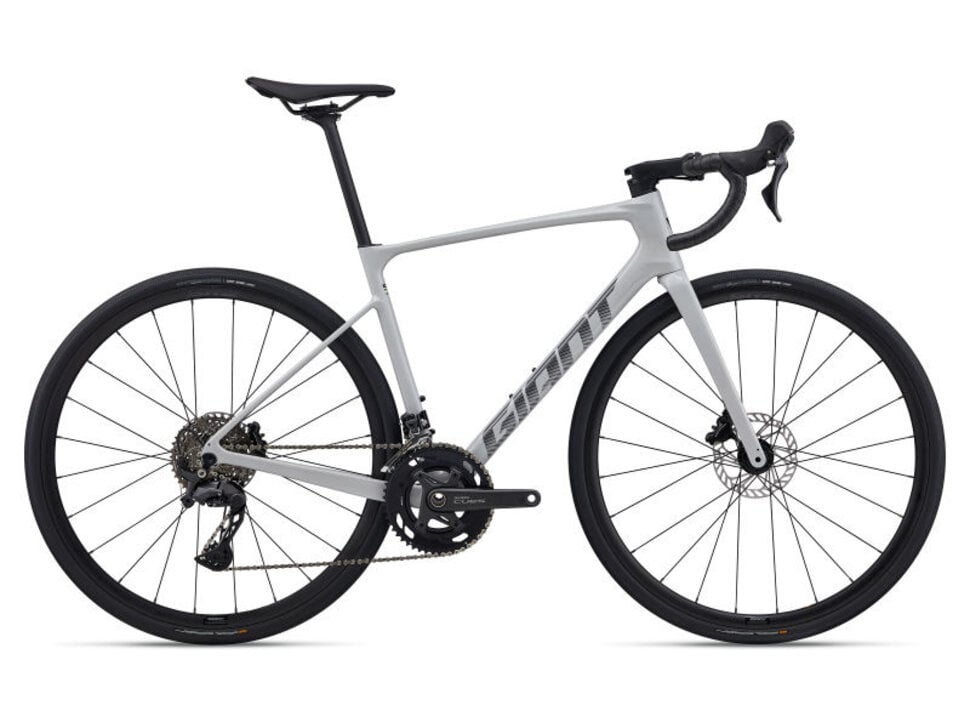
Road cycling has never been more accessible, and endurance road bikes are a big reason why. Unlike race bikes, which demand an aggressive, low position and punish you on rough pavement, endurance road bikes are built to let you ride longer with less fatigue. They absorb vibration, keep you comfortable in the saddle for hours, and handle everything from smooth tarmac to broken pavement and back roads without complaint.
For Canadian riders especially, where spring potholes, cracked pavement, and mixed road conditions are the norm, an endurance bike is often the smarter choice over a pure race setup. You get the efficiency of a road bike with the comfort and stability that makes a 100 km Saturday ride feel like an achievement instead of an ordeal.
This guide covers what makes the best endurance road bikes different, what to look for when choosing one, and which specific models are worth considering at Chain Reaction Bicycles in 2026.
What is an endurance road bike?
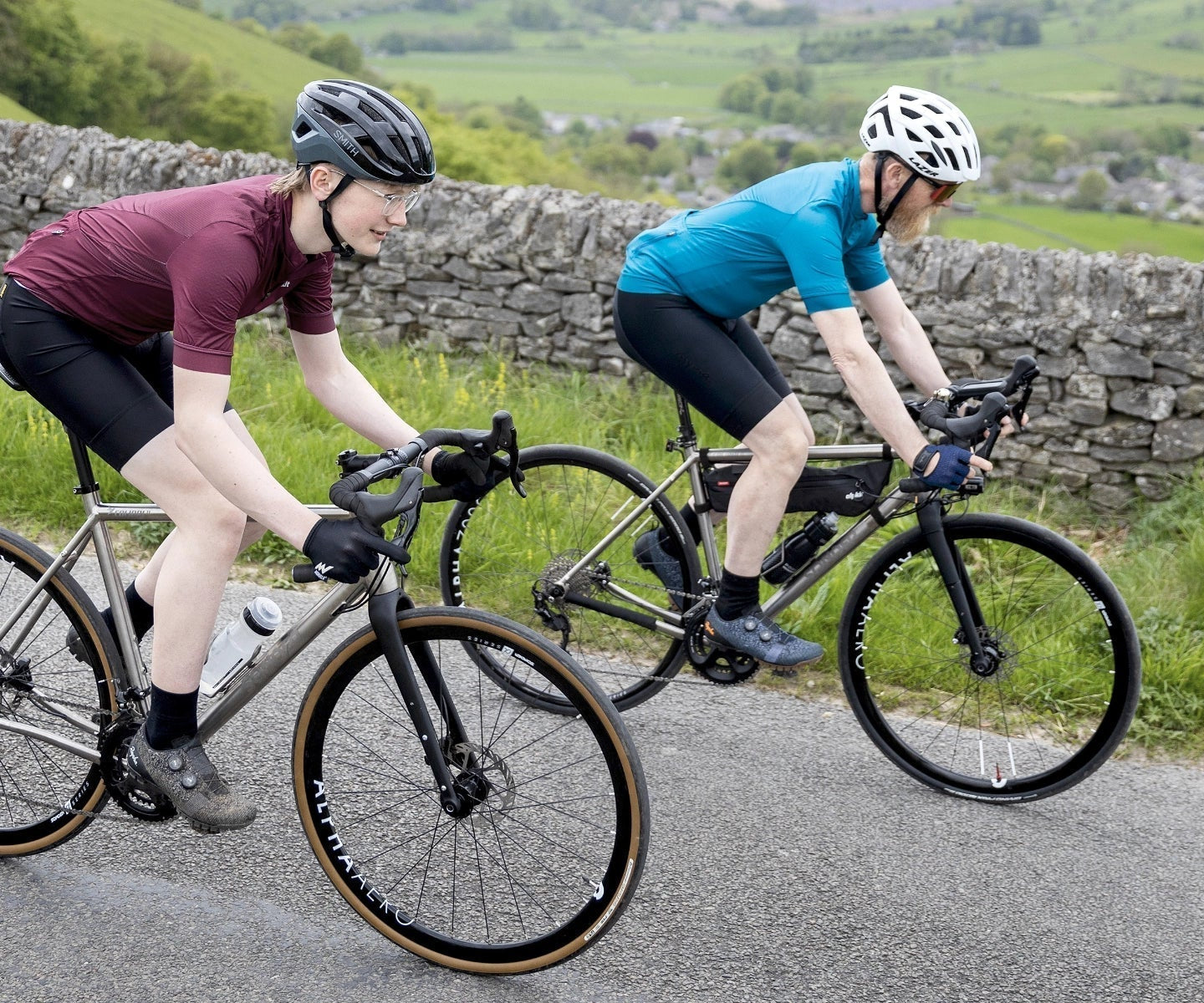
An endurance road bike is a drop-bar road bike designed for long distances and all-day comfort. Compared to a race bike, it has a more upright riding position, a higher front end, and more compliance built into the frame and fork. This translates to less back, neck, and hand fatigue over long hours in the saddle.
The key differences from a race bike:
- Higher stack-to-reach ratio: You sit more upright, reducing strain on your lower back and neck.
- More tire clearance: Most 2026 endurance bikes accept 28-32mm tires or wider, which cushion road vibration and improve grip.
- Compliance features: Seatpost flex, fork compliance, and tube shaping absorb road buzz.
- Stable geometry: Longer wheelbase and slacker angles make the bike predictable and confidence-inspiring at speed.
Compared to a hybrid or fitness bike, an endurance road bike is still a performance machine. It rolls efficiently, responds to your effort, and handles a range of terrain. You are not sacrificing speed - you are sacrificing nothing except the discomfort of a purely race-oriented position.
Endurance vs race bike: which is right for you?
Choose an endurance road bike if:
- You ride 60 km or more per outing, or plan to.
- You experience discomfort (back, neck, hands) on your current road setup.
- You ride on imperfect pavement, back roads, or mixed surfaces.
- You want one bike that can handle a sportive, a long weekend ride, and a commute.
- You are newer to road cycling and want a comfortable, forgiving setup.
Choose a race bike if:
- You race regularly or train specifically for speed and power output.
- You ride primarily on smooth roads and want the sharpest handling possible.
- You are comfortable in a low, aggressive position for extended periods.
If you are unsure, an endurance bike is almost always the better long-term investment. For a comparison of how different road bike styles stack up, see our guide to road bike frame materials.
5 features that define the best endurance road bikes in 2026
1. Geometry: the foundation of comfort
Everything starts with geometry. Endurance road bikes use a taller head tube and shorter reach than race bikes, which raises the front end and lets you maintain a more upright torso. This reduces stress on your lumbar spine, shoulders, and hands over long hours in the saddle. When you are shopping, look for a stack-to-reach ratio above 1.45 - higher numbers mean a more upright position. Most modern endurance bikes fall between 1.45 and 1.60.
2. Tire clearance: more is better for Canadian roads
Wider tires run at lower pressure absorb far more road vibration than narrower tires at high pressure. For 2026, most endurance road bikes accept at least 28-32mm tires, and many accept 35mm or more. On cracked Canadian pavement and gravel shoulders, running 30-32mm tires makes a measurable difference in comfort and control. Browse road tires to see compatible options.
3. Compliance features: how the bike absorbs road buzz
Modern endurance bikes use several design strategies to filter vibration before it reaches the rider. These include leaf-spring flex zones in the fork, vertically compliant seatstays, wider flattened seatposts, and carbon layup tuning. In practice, a well-designed compliant fork makes a bigger difference than most riders expect. Your contact points also matter enormously. A flex-capable seatpost and a well-chosen saddle can transform how comfortable a long ride feels, regardless of bike price.
4. Groupset: Shimano and SRAM options for every budget
In 2026, you will find endurance road bikes specced with everything from entry-level Shimano CUES and Tiagra to mid-range 105 and Rival, to high-end Di2 and AXS electronic shifting. For most endurance riders, a mechanical groupset at the Shimano 105 or SRAM Rival level is excellent: reliable, serviceable, and smooth. Electronic shifting is genuinely worth considering if you ride in wet conditions or prioritize ergonomics, since it eliminates cable tension maintenance and delivers consistent shifts under any load.
5. Frame material: carbon vs aluminum
Carbon frames are lighter and can be engineered for specific compliance characteristics, which is why most premium endurance bikes use carbon. They also dampen high-frequency vibration better than aluminum. Aluminum frames are heavier but extremely durable, more affordable, and still fast when paired with quality tires and components. For a first endurance road bike or a commute-capable setup, a quality aluminum frame is an excellent choice. For performance riding and long-distance events, carbon offers real advantages. Our blog on road bike frame materials covers this comparison in detail.
Top endurance road bikes at Chain Reaction Bicycles in 2026
Our endurance bike collection includes a range of builds from Giant, Specialized, and Liv, covering everything from entry-level to full carbon electronic builds. Here are the standouts.
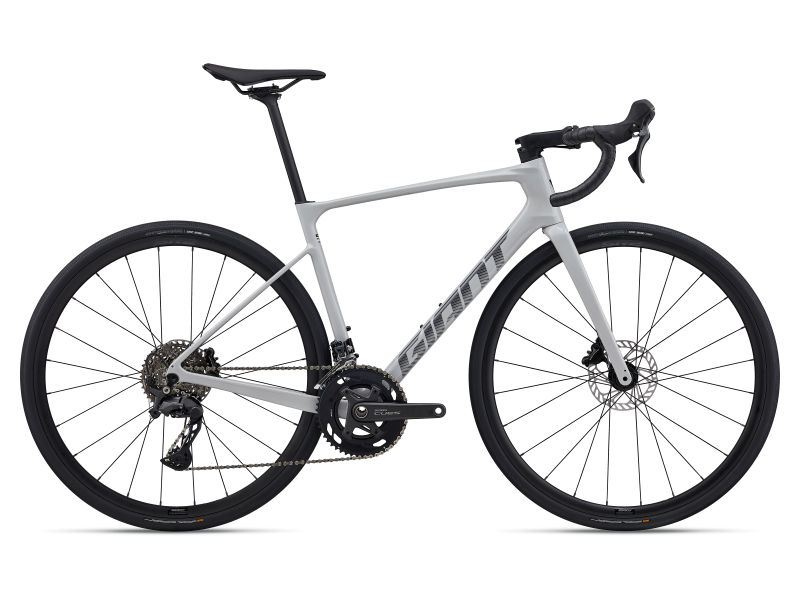
Giant Defy Advanced 3 - best value carbon endurance road bike
The Giant Defy Advanced 3 is a strong starting point for riders who want a genuine carbon endurance bike without stepping into the premium tier. The Defy platform is one of the most proven endurance designs available, built around Giant's Advanced composite frame with a compliance-focused fork and stable geometry. It accepts up to 32mm tires and uses an upright, comfortable riding position that makes long days manageable.
Best for: riders who want carbon quality and endurance geometry at a reasonable entry point.
Giant Defy Advanced 1 - best mid-range endurance road bike with Di2
Step up to the Giant Defy Advanced 1 and you get the same excellent Defy carbon platform with Shimano 105 Di2 electronic shifting. The Defy Advanced 1 is an ideal bike for riders who ride frequently, do long weekend events, and want to stop thinking about gear adjustments.
Best for: committed road cyclists who ride regularly and want a long-term, high-quality endurance platform.
Liv Avail AR 2 - best women's entry-level endurance road bike
Liv's Avail AR 2 is designed around Liv's women-specific geometry and touchpoint approach. The AR platform accepts up to 35mm tires, making it extremely versatile for mixed surfaces, commutes, and longer road rides.
Best for: women cyclists seeking versatile endurance geometry with generous tire clearance.
Liv Avail Advanced 1 - best women's performance endurance build
The Liv Avail Advanced 1 brings together a carbon Avail frame, Shimano 105 Di2 electronic shifting, and performance-focused geometry.
Best for: women riders who want a top-performing endurance bike with electronic shifting.
Giant Defy Advanced E+ AR - best e-road endurance option
The Giant Defy Advanced E+ AR takes the proven Defy endurance platform and adds Giant's SyncDrive road motor for assisted riding. This is an excellent choice for riders who want to ride longer, handle more elevation, or simply enjoy road cycling without worrying about fitness holding them back. See all e-road bikes.
Best for: riders interested in e-road cycling, longer range riding, or making road cycling accessible with electric assist.
Specialized Allez - best entry-level all-around road bike
The Specialized Allez is one of the most respected aluminum road bikes available. The 2026 build uses Shimano CUES disc brakes and offers solid performance and durability for commuting, fitness riding, and weekend roads.
Best for: new road cyclists who want a proven, versatile aluminum road bike at an accessible price.
Giant FastRoad AR 2 - best all-road versatility
The Giant FastRoad AR 2 blurs the line between a hybrid and a road bike. It rides efficiently on pavement, accepts wider tires for mixed surfaces, and uses a more upright position that many riders find immediately comfortable. If you want the efficiency of a road bike with a flat-bar setup and versatile capability, the FastRoad AR is a smart choice.
Best for: riders who want road efficiency and comfort with a flat-bar setup and multi-surface capability.
How to choose the right endurance road bike
Step 1: Identify your primary use case. Are you focused on long weekend rides, commuting, sportives, or a combination? Riders doing structured long-distance training benefit most from a full carbon build. Riders splitting time between commuting and weekend rides often do better with a durable aluminum or entry carbon setup.
Step 2: Set your tire clearance priority. If you ride on rough roads or want mixed-surface capability, prioritize frames with 32mm or wider clearance. If you ride on smooth pavement and prioritize speed, 28-30mm is fine.
Step 3: Decide on your groupset. Mechanical shifting is reliable and lower cost. Electronic shifting (Di2, AXS) offers ergonomic advantages and minimal maintenance. If you ride in rain or want the most consistent shifting possible, electronic is worth the investment.
Step 4: Get the right size and fit. An endurance bike that fits you correctly is more important than any other spec decision. See our Service and Repairs page for information on professional bike fitting.
Setting up your endurance bike correctly
Even the best endurance bike underperforms with poor setup. The most impactful adjustments are:
- Saddle height and setback: Affects your knee tracking, power output, and lower back comfort. Even small adjustments matter on long rides.
- Handlebar reach and drop: Affects your upper body position and comfort. A shorter stem or raised handlebar can transform how the bike feels. Browse handlebars and stems for options.
- Saddle choice: Your saddle needs to fit your anatomy. A wrong saddle causes more discomfort than almost any other single component. Explore saddles at Chain Reaction.
- Tire pressure: Lower pressure (within the tire's rated range) improves comfort and grip. Many endurance road riders run 70-80 PSI on 28-30mm tires rather than the 100+ PSI common on narrow race tires.
What to pair with your endurance road bike
Once you have your bike, the right accessories and components make a meaningful difference on long rides.
- Road shoes: Stiff road-specific cycling shoes improve pedaling efficiency. If you plan to walk often, consider a recessed cleat or gravel-friendly shoe.
- Road and gravel wheels: An upgraded wheelset is one of the best performance investments you can make.
- Road tires: Tubeless-ready tires allow lower pressure for comfort without the risk of pinch flats.
- Saddle: If your current saddle causes discomfort after 60 minutes, it is almost certainly the wrong saddle for your anatomy. Replacing it is a high-value upgrade.
FAQs: endurance road bikes Canada
What is the difference between an endurance road bike and a race road bike?
An endurance road bike uses a more upright geometry (higher front end, more relaxed reach) and more tire clearance than a race bike. Race bikes prioritize aerodynamics and stiffness for maximum power transfer. Endurance bikes prioritize comfort, control, and long-distance sustainability.
Are endurance road bikes slower than race bikes?
Not meaningfully for most riders. Tire choice, aerodynamics, and fitness matter far more than whether a bike is categorized as endurance or race. Most riders are faster on an endurance bike because they can hold a strong position longer without fatigue.
Do endurance road bikes work for commuting?
Yes. The upright position provides good visibility in traffic, and the comfortable geometry suits stop-and-go urban riding. Many endurance bikes also accept fenders.
What size endurance road bike do I need?
Frame size depends on your height and proportions. Chain Reaction offers professional bike fitting to help you find the ideal setup.
Shop endurance road bikes at Chain Reaction Bicycles
If you are ready to compare models, start with the full endurance bike collection. Filter by brand or budget, shortlist two or three builds, and choose based on geometry, tire clearance, and groupset. You can also explore all road bikes to compare endurance, race, and gravel options side by side.
Recent articles
View all
How to Set Up Tubeless MTB Tires: A Complete Guide for 29 Inch Wheels
29 vs 27.5 Mountain Bike Tires: Which Wheel Size Is Right for You?