
Titanium MTB Frames: Durability, Ride Quality, and Lifetime Value
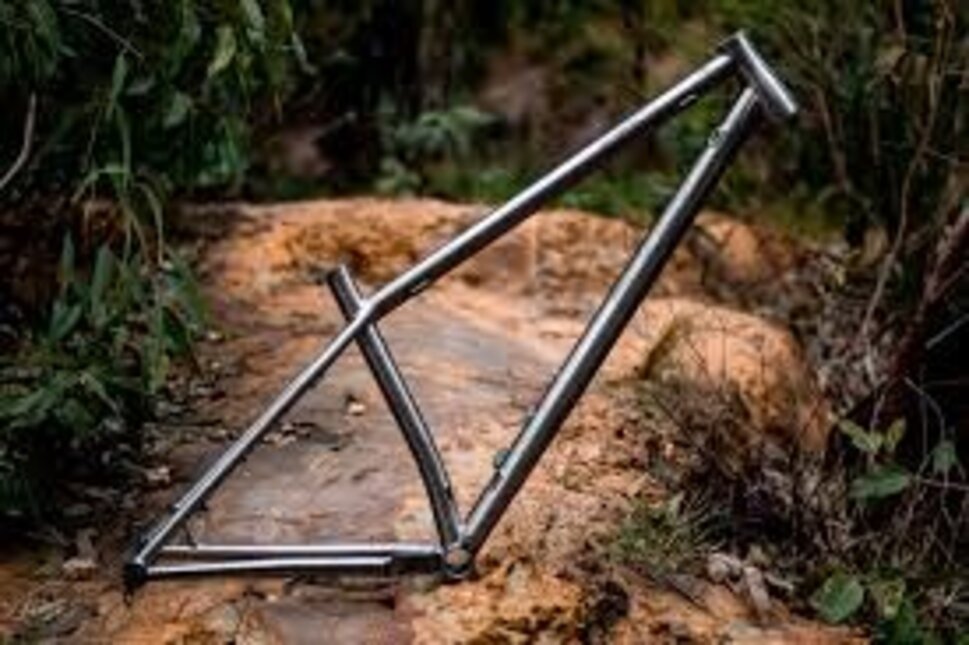
Among mountain bike frame materials, titanium occupies a unique position that inspires passionate devotion among riders who've experienced its distinctive characteristics. While carbon fiber dominates professional racing with maximum stiffness-to-weight ratios and aluminum offers accessible performance at budget-friendly prices, titanium frames deliver something entirely different—a compelling combination of legendary durability, supple ride quality, and lifetime value that makes them exceptional long-term investments for serious mountain bikers.
Understanding titanium's properties, advantages, and considerations helps riders determine whether this premium material aligns with their priorities, riding style, and budget. This comprehensive guide explores what makes titanium MTB frames special, examining the material science, real-world performance characteristics, maintenance requirements, and long-term value proposition that distinguishes titanium from other frame materials.
Understanding Titanium as a Frame Material
Material Science Fundamentals
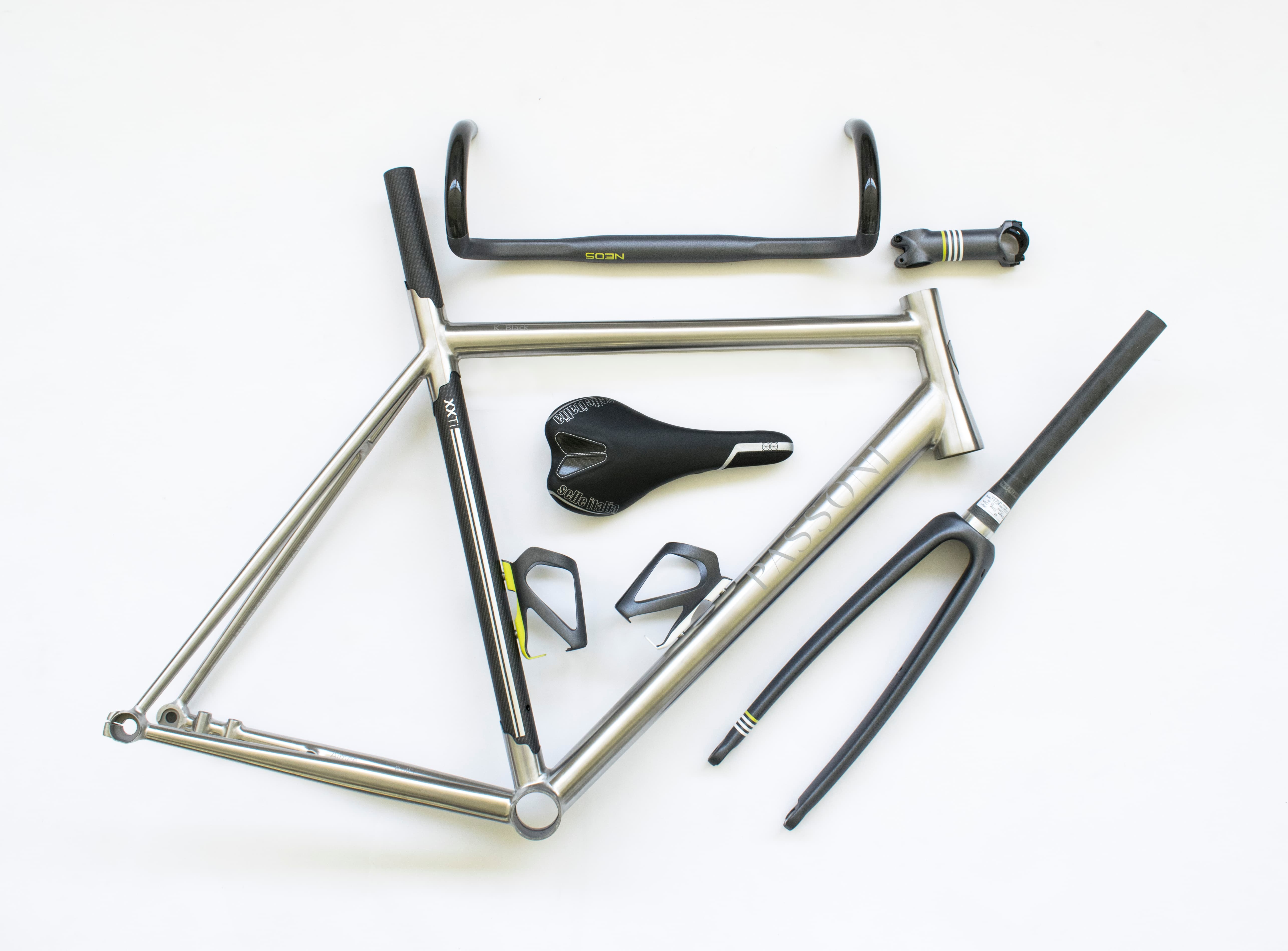
Titanium is a remarkable metal with properties that seem almost contradictory. It's exceptionally strong—titanium alloys used in bicycle frames offer strength comparable to steel—while being approximately 45% lighter than steel by volume. This impressive strength-to-weight ratio rivals aluminum while offering characteristics aluminum cannot match.
The titanium alloys used in bicycle frame construction, primarily 3Al-2.5V (3% aluminum, 2.5% vanadium) and 6Al-4V (6% aluminum, 4% vanadium), are specifically engineered to balance strength, ductility, and workability. These alloys provide the structural integrity necessary for demanding mountain bike applications while maintaining the compliance and fatigue resistance that make titanium frames legendary.
Perhaps titanium's most remarkable property is its virtually unlimited fatigue life. Unlike aluminum, which accumulates fatigue damage with every stress cycle eventually leading to failure, titanium exhibits exceptional fatigue resistance. Properly designed and manufactured titanium frames can withstand millions of stress cycles without developing the microfractures that eventually compromise other materials. This characteristic alone explains much of titanium's reputation for longevity.
Titanium's natural corrosion resistance further enhances durability. The metal forms an extremely stable oxide layer when exposed to oxygen, protecting the underlying material from corrosion even in harsh conditions. Salt spray, mud, rain, and humidity that corrode steel and aluminum have virtually no effect on titanium. This corrosion immunity means titanium frames maintain their structural integrity and appearance indefinitely without protective finishes.
Manufacturing Considerations
Working with titanium requires specialized equipment, expertise, and techniques that contribute to higher frame costs. Titanium's high melting point and reactivity at elevated temperatures make welding challenging—frames must be welded in inert gas environments to prevent contamination. The material's work-hardening characteristics require careful manipulation during tube forming and joining.
These manufacturing challenges mean fewer frame builders work with titanium compared to steel or aluminum, and those who do often specialize in the material exclusively. The expertise required to properly design and fabricate titanium frames commands premium pricing, though the resulting quality justifies the investment for riders seeking titanium's unique advantages.
The Legendary Titanium Ride Quality
Compliance and Vibration Damping
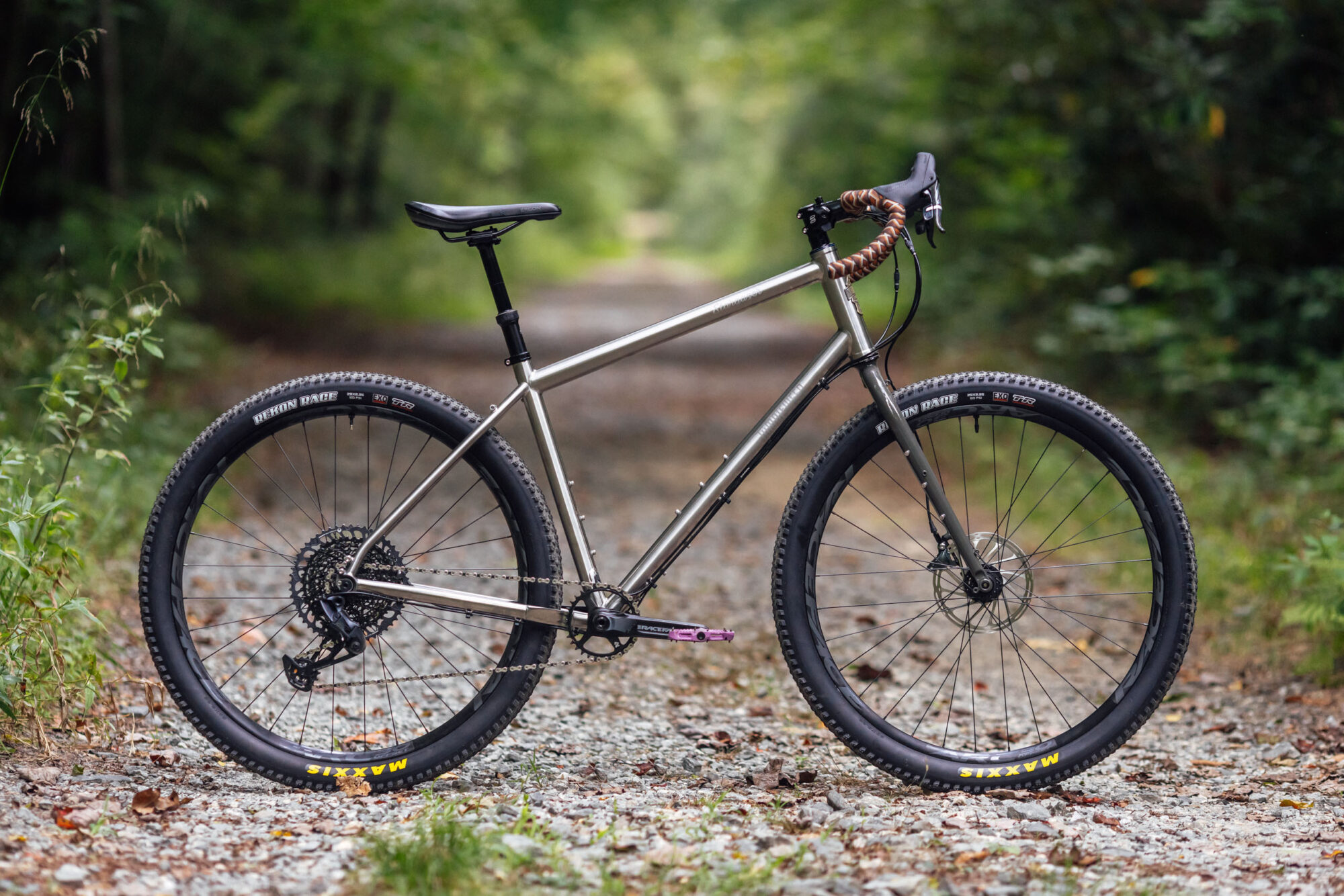
Titanium's ride quality characteristics inspire devotion among experienced riders. The material exhibits natural compliance—a suppleness that absorbs trail chatter and high-frequency vibrations without feeling soft or inefficient. This compliance comes from titanium's elastic properties and lower modulus of elasticity compared to steel or aluminum.
When you ride a titanium mountain bike over rough terrain, the frame absorbs micro-bumps, root impacts, and trail irregularities that would transmit harshly through stiffer materials. This vibration damping reduces rider fatigue significantly on long rides, allowing you to maintain focus and energy when aluminum or carbon riders begin feeling beaten up by accumulated impacts.
The compliance doesn't mean lack of stiffness where it matters. Properly designed titanium frames deliver excellent pedaling efficiency and responsive handling while maintaining the comfort characteristics that make all-day epics enjoyable rather than punishing. This balance—responsive when you demand power transfer, forgiving when the trail gets rough—defines titanium's appeal.
Connected Trail Feel
Riders describe titanium's ride quality as "lively" or "connected"—you feel what the tires are doing without harsh feedback jarring your body. This tactile communication helps riders read terrain, anticipate traction changes, and respond intuitively to trail conditions. The frame transmits information without punishment, creating confidence through clear feedback loops.
This connected feel particularly benefits technical riding where subtle weight shifts and line choices determine success. You sense when traction is maximizing or beginning to break away, allowing micro-adjustments that keep you in control through challenging sections. Less experienced riders develop skills faster when their bikes provide clear, non-harsh feedback about what's happening at the tire contact patches.
Consistency Across Conditions
Titanium's ride characteristics remain remarkably consistent across temperature variations. Unlike carbon fiber, whose resin matrix can feel noticeably different between cold morning starts and hot afternoon rides, titanium performs identically regardless of ambient temperature. This consistency means your bike handles predictably year-round, from winter trail rides to summer epics.
Durability That Defines Lifetime Ownership
Fatigue Resistance
Titanium's fatigue resistance represents its most compelling durability advantage. Aluminum frames accumulate fatigue damage with every ride, every impact, every pedal stroke. Eventually, this accumulated damage leads to failure—sometimes catastrophically. Quality aluminum frames last years with proper use, but they have finite lifespans measured in stress cycles.
Titanium's fatigue curve is fundamentally different. Below certain stress thresholds, titanium exhibits infinite fatigue life—it can withstand unlimited stress cycles without accumulating damage. Properly designed titanium frames that keep stress levels within safe limits literally last forever from a fatigue perspective. This isn't marketing hyperbole—it's materials science fact.
For mountain bikers who ride aggressively, this matters tremendously. Big drops, rock gardens, root sections, and rough descents create stress cycles that accumulate in aluminum frames. The same impacts barely affect titanium's long-term integrity. Riders can push titanium frames hard year after year, decade after decade, without concern about accumulated fatigue weakening the structure.
Crash and Impact Resistance
Titanium's ductility—its ability to deform without breaking—provides excellent crash resistance. In impacts that would crack carbon fiber or dent aluminum beyond repair, titanium often survives with minor cosmetic damage or returns to shape. This resilience doesn't mean titanium is indestructible, but it tolerates abuse better than most alternatives.
When titanium does sustain damage, repair is often possible. Skilled welders can repair titanium frames, restoring structural integrity and extending service life. Carbon fiber repairs are more complex and often compromise original strength, while aluminum repairs are rarely worthwhile given the material's fatigue characteristics.
Corrosion Immunity
Titanium's oxide layer provides exceptional corrosion resistance without protective finishes. You can ride through salt spray, store bikes in humid environments, and neglect post-ride cleaning without corrosion concerns. This immunity is particularly valuable for riders in coastal areas, those who ride in winter conditions where road salt is present, or anyone who occasionally neglects maintenance.
The corrosion resistance also means titanium frames maintain their appearance far better than painted aluminum or steel. While surface scratches and scuffs accumulate with use, the underlying material remains unaffected. Many riders appreciate the brushed titanium aesthetic, which develops character and patina rather than looking worn and corroded.
Long-Term Value Proposition
Initial Cost vs. Lifetime Ownership
Titanium frames command premium prices—typically $2,000-$5,000 for frames alone, with complete builds exceeding $6,000-$10,000. This substantial initial investment deters many riders who focus on upfront costs rather than lifetime value.
However, examining total cost of ownership over decades reveals different economics. An aluminum frame might cost $800-$1,500 but require replacement every 5-7 years with aggressive riding. Three or four aluminum frames over 20 years total $2,400-$6,000—approaching or exceeding single titanium frame costs. Meanwhile, that titanium frame continues performing perfectly after 20 years and will likely outlast its original owner.
For riders who keep bikes long-term rather than upgrading frequently, titanium's durability delivers exceptional value. You buy once and ride for decades, avoiding repeated frame purchases and the hassle of building new bikes every few years.
Resale Value
Titanium frames maintain resale value remarkably well. The material's reputation for durability means used titanium frames command strong prices from buyers who understand the value proposition. Well-maintained titanium frames often sell for 50-70% of original price even after years of use, far exceeding typical aluminum or carbon resale values.
This strong resale value provides financial flexibility. If your priorities change or you decide to try different geometry, selling your titanium frame recoups substantial portions of your initial investment. The high retained value effectively reduces your true cost of ownership—the difference between purchase price and eventual sale price is often surprisingly modest.
Transferable Between Build Specifications
Titanium frames' longevity means they often outlive component standards and rider preferences. The frame's durability allows you to completely rebuild the bike multiple times over decades, updating components as technology advances while retaining the frame that fits you perfectly.
This adaptability matters more than many riders initially realize. Bottom bracket standards, wheel sizes, drivetrain configurations, and suspension designs evolve constantly. A frame purchased today might see three or four complete drivetrain standard changes over its lifespan. Titanium's durability justifies custom machining or adapters to accommodate new standards, something you'd hesitate to do with frames having finite lifespans.
Comparing Titanium to Other Frame Materials
Titanium vs. Aluminum
Aluminum offers accessible pricing and responsive ride quality but accumulates fatigue damage, has limited impact tolerance, and requires protective finishes that eventually wear through. Titanium costs significantly more initially but eliminates fatigue concerns, provides superior compliance, and requires no finishing.
For budget-conscious riders or those who upgrade frequently, aluminum makes sense. For riders seeking ultimate durability and long-term value, titanium justifies premium pricing through decades of reliable service.
Titanium vs. Carbon Fiber
Carbon fiber provides maximum stiffness-to-weight ratios and allows precise ride characteristic tuning through layup engineering. However, carbon requires careful handling to avoid impact damage, has uncertain long-term durability from UV exposure and internal delamination, and difficult-to-detect damage makes used carbon frames risky purchases.
Titanium sacrifices some of carbon's ultimate performance advantages while offering indestructible durability, easy damage assessment, and no concerns about hidden structural issues. For racing where marginal weight advantages matter tremendously, carbon excels. For riders prioritizing durability, repairability, and long-term reliability, titanium wins decisively.
Titanium vs. Steel
Steel shares some of titanium's ride quality characteristics at much lower prices while offering similar repairability. However, steel's weight penalty (40-45% heavier than titanium) and corrosion susceptibility limit its appeal for mountain bike applications.
Modern steel alloys can match titanium strength, but only with heavier tube walls that negate much of steel's ride quality advantage. For riders unconcerned about weight and willing to maintain protective finishes, steel offers excellent value. For weight-conscious riders seeking titanium's ride quality without steel's weight penalty, titanium is worth the premium.
Ideal Titanium Frame Candidates
Who Benefits Most from Titanium?
Long-Term Ownership Riders: Those who keep bikes for many years rather than upgrading every few seasons recoup titanium's higher initial cost through extended service life.
Aggressive Riders: Mountain bikers who ride hard, hit features confidently, and accumulate stress cycles rapidly benefit from titanium's fatigue resistance.
All-Day Epic Enthusiasts: Riders tackling long distances and extended descents appreciate titanium's vibration damping that reduces fatigue.
Riders in Harsh Environments: Coastal riders, winter riders, or those in humid climates benefit from corrosion immunity.
Custom Geometry Seekers: Titanium's longevity justifies custom geometry investment—you'll ride that perfect fit for decades.
Sustainability-Minded Cyclists: One frame lasting 20-30 years has far lower environmental impact than multiple frames over the same period.
When Other Materials Make More Sense
Titanium isn't ideal for every rider. Competitive racers seeking absolute minimum weight and maximum stiffness benefit more from carbon fiber. Budget-conscious riders or those who upgrade frequently get better value from aluminum. Riders who prioritize the absolute lowest prices should consider steel or aluminum options.
Caring for Titanium Frames
Minimal Maintenance Requirements
Titanium's corrosion resistance means maintenance requirements are remarkably minimal. Basic cleaning to remove dirt and grime suffices—no need for protective waxes, touch-up paint, or corrosion prevention treatments. Wash your bike, dry it, and you're done.
The lack of paint or finish means no concern about scratches or chips compromising protection. Surface scratches affect only aesthetics, not structural integrity or corrosion resistance. Many riders embrace titanium's developing patina as character rather than damage.
Inspecting for Damage
Regularly inspect frame joints and high-stress areas for cracks or damage, particularly after crashes or impacts. Titanium's opacity makes damage assessment straightforward—unlike carbon fiber where internal delamination can hide invisibly, titanium damage is visible.
Check dropout alignment, inspect weld areas for cracks, and ensure threads in bottle cage mounts and other inserts remain intact. Address any damage promptly to prevent minor issues from becoming major problems.
The Custom Titanium Advantage
Why Custom Makes Sense
Given titanium's longevity and premium pricing, custom geometry makes exceptional sense. If you're investing in a frame that will last decades, ensuring perfect fit from day one maximizes value. Custom geometry eliminates the compromises inherent in production sizing, creating bikes that fit your body proportions, flexibility, and riding style perfectly.
Custom titanium frames from quality builders like Seven Cycles offer extraordinary personalization—material selection, geometry optimization, aesthetic customization, and performance features tailored to your specific needs. The investment in custom specification pays dividends through decades of superior fit and performance.
Conclusion
Titanium MTB frames represent premium investments that deliver exceptional lifetime value through legendary durability, supple ride quality, and virtually unlimited lifespan. While initial costs exceed aluminum and often rival carbon fiber, the long-term value proposition—decades of reliable service with minimal maintenance, strong resale value, and ride quality that never degrades—makes titanium compelling for riders who prioritize longevity over upgrade cycles.
The material's unique characteristics—fatigue resistance that literally outlasts owners, corrosion immunity that eliminates maintenance, and compliance that reduces rider fatigue—create ownership experiences fundamentally different from other materials. For riders seeking the last mountain bike frame they'll ever need to buy, titanium delivers on that promise like no other material can.
Ready to explore custom titanium mountain bike frames built to your exact specifications? Discover our custom MTB frame options featuring Seven Cycles' legendary craftsmanship and American-made quality. Build the mountain bike of your dreams on a foundation engineered to outlast trends, technologies, and perhaps even you—that's the titanium advantage.
Recent articles
View all
Smart Trainer vs Wheel-On Trainer: Which Indoor Bike Trainer Should You Buy?

Best Indoor Cycling Apps for Smart Trainers: Zwift, TrainerRoad, and More