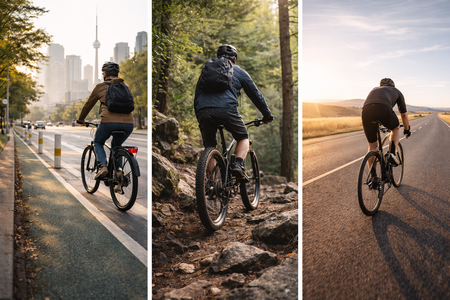

The Ultimate Guide to Gravel Bikes: Everything You Need to Know Before Buying
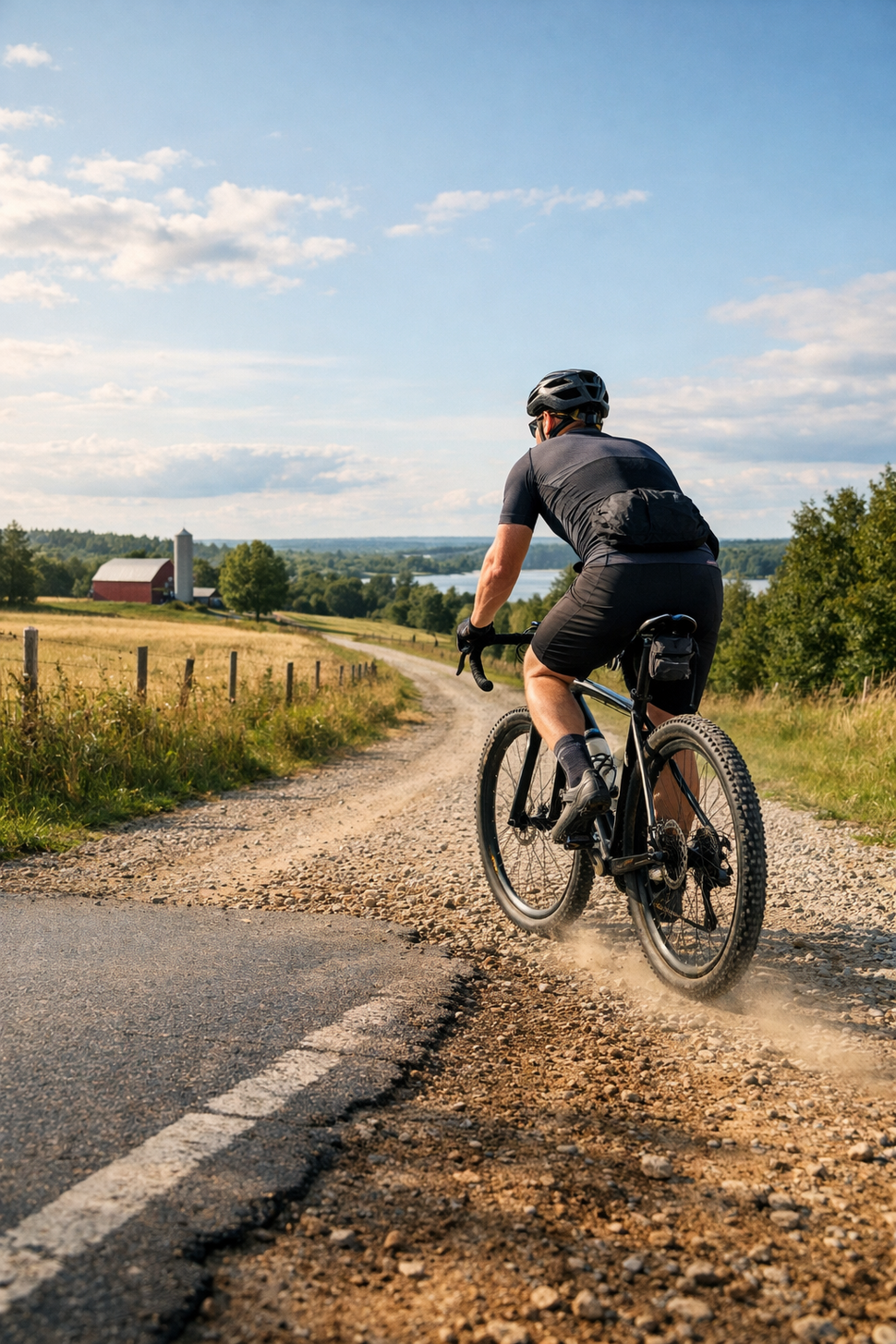
If you’ve been hearing the buzz around gravel riding, you’re not alone. This is The Ultimate Guide to Gravel Bikes: Everything You Need to Know Before Buying—built for riders who want one bike that can handle pavement, packed trails, and the endless “in-between” roads that define so much of gravel cycling in Canada. Whether you’re shopping for gravel bikes in Toronto riders trust for local mixed-surface routes or comparing models touted as the best gravel bikes, this guide will help you choose confidently.
Below, we’ll break down geometry, tires, drivetrains, materials, fit, and real-world use cases—plus show you a few standout models and the essential gear to complete your setup.
What Is a Gravel Bike (and Why Are They So Popular)?
A gravel bike is a drop-bar bike designed to be efficient on the road while remaining stable, comfortable, and capable on loose surfaces like gravel, dirt roads, crushed limestone paths, and light singletrack. Think of it as a “road bike with trail manners”: longer wheelbase, more tire clearance, confident handling, and mounts for gear.
Gravel riding has exploded across Canada because it’s accessible and adventurous. You don’t need technical mountain bike skills to enjoy it, and you can find routes almost everywhere—urban connectors, rail trails, rural concessions, and cottage-country backroads.
If you’re ready to browse options, start with our curated collection of gravel bikes to see different builds, prices, and intended riding styles.
Gravel vs Road Bike: Key Differences You’ll Feel on the First Ride
The gravel vs road bike question comes up constantly, especially from riders upgrading from an older road setup or buying their first drop-bar bike.
1) Tire clearance and comfort
Gravel bikes typically fit wider tires (often 38–50mm, sometimes more). Wider tires run at lower pressures, which increases comfort and control on rough surfaces.
2) Geometry and stability
Compared to race-oriented road bikes, gravel bikes usually have:
- More relaxed head tube angle for stability
- Longer wheelbase for predictable tracking on loose terrain
- Slightly taller stack for a less aggressive position
3) Gearing that’s built for mixed terrain
Gravel gearing often includes easier climbing gears than many road bikes—especially important when climbs get steep and traction is limited.
4) Mounts for adventure
Many gravel frames include mounts for racks, fenders, extra bottles, and frame bags. That’s a big reason gravel bikes appeal to commuters and bikepackers.
If your goal is maximum speed on smooth pavement and group rides, you may prefer traditional road bikes. If you want one bike to do a bit of everything—comfortably—gravel often wins.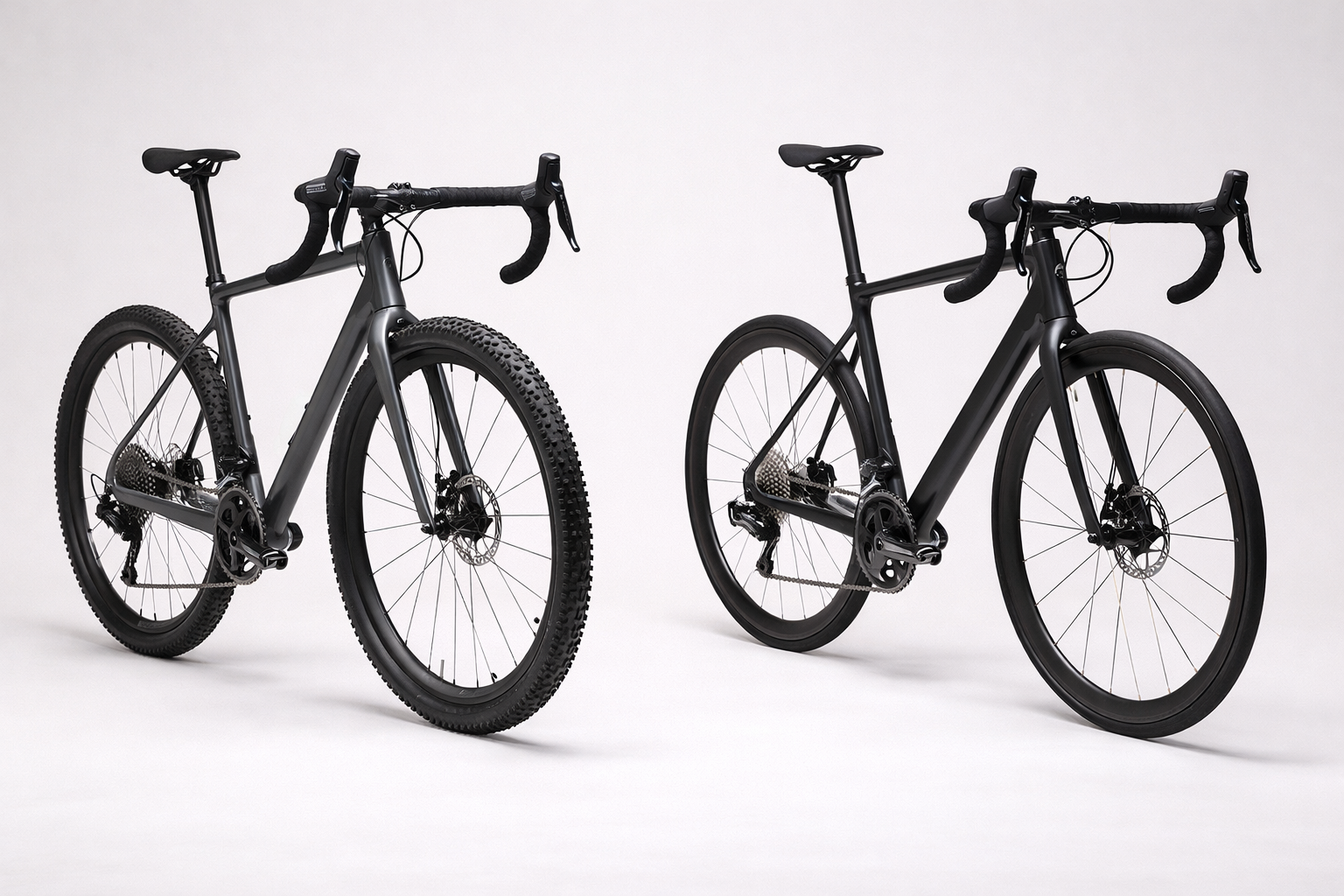
Gravel Bike Buying Guide: How to Choose the Right Bike
This gravel bike buying guide focuses on the parts that matter most for performance, comfort, and long-term satisfaction.
1) Choose your “type” of gravel riding
- All-road / fast gravel: More road-like feel, typically 35–40mm tires, quicker handling.
- Adventure / endurance gravel: Comfort-first, stable geometry, room for 40–50mm tires, lots of mounts.
- Rough gravel / light singletrack: Even more tire clearance, sometimes suspension forks or gravel-specific suspension.
- Bikepacking: Strong frames, mounts everywhere, and gearing designed for loaded climbs.
2) Frame materials: carbon vs aluminum (and beyond)
- Carbon: Light, efficient, and often tuned for comfort. Great if you want speed and reduced vibration over long rides.
- Aluminum: Excellent value, durable, and often found on budget-friendly builds. Modern alloy gravel bikes can be very capable.
- Steel: Smooth ride feel and toughness—popular for adventure and bikepacking.
- Titanium: Premium, durable, and comfortable—typically higher price.
3) Tire clearance and wheel size
Tires are one of the biggest performance “dials” on a gravel bike. Many bikes run 700c wheels for faster rolling on mixed surfaces, while some sizes or adventure builds may use 650b wheels for extra volume and traction.
If you want maximum versatility, prioritize generous tire clearance and plan to keep more than one tire set. You can explore options for tread patterns and widths in our gravel tires collection.
4) Drivetrain: 1x vs 2x
Choosing between 1x and 2x depends on where and how you ride.
- 1x (single chainring): Simple, lighter, fewer parts to maintain, great for rough terrain. The tradeoff is bigger jumps between gears.
- 2x (double chainring): Wider gear range and smaller steps between gears—excellent for riders who do lots of road miles and want cadence-friendly gearing.
For Ontario’s rolling routes and mixed urban/rural riding, both work well. If you’re doing lots of pavement between gravel sections, 2x can feel smoother. If your routes include chunky trails and steep pitches, 1x simplicity shines.
5) Brakes: hydraulic disc is the standard
Most modern gravel bikes use disc brakes, and for good reason: consistent braking in rain, mud, and variable conditions. Hydraulic discs generally offer better modulation and power than mechanical discs, which matters on loose descents and wet spring roads.
6) Fit and contact points: the underrated performance upgrade
Gravel bikes are often ridden longer than road bikes—because the routes are exploratory and the surfaces reduce monotony. That makes fit crucial:
- Handlebar width and flare: Flared drops improve control off-road.
- Saddle choice: Comfort and support matter more than minimal weight.
- Stem length: Fine-tunes reach and steering feel.
If possible, get sized properly and aim for a position that you can hold for hours without pain.
Gravel Cycling Canada: What to Expect From Real-World Conditions
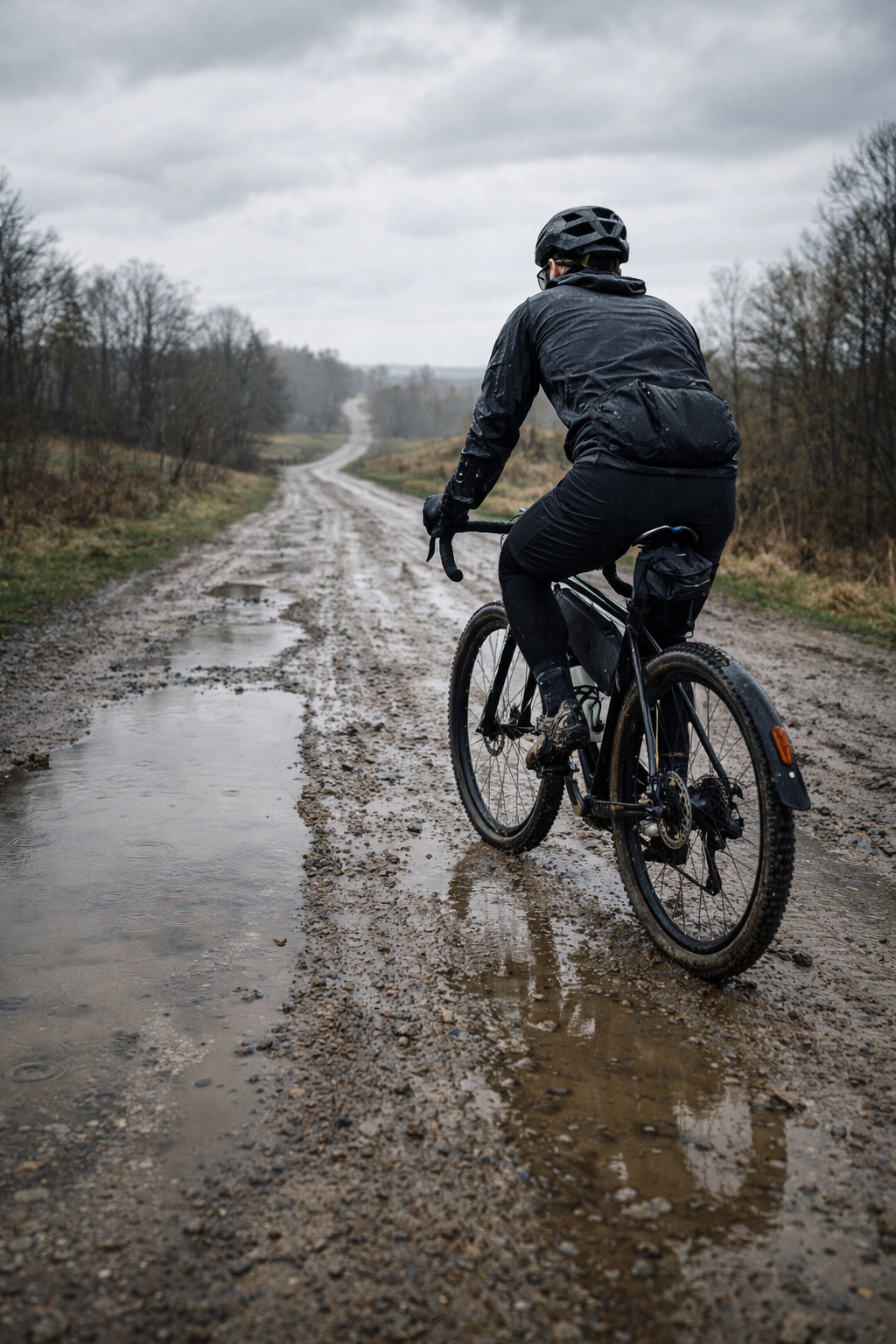
Gravel riding in Canada brings unique variables: shoulder seasons, mixed precipitation, washboard roads, and big temperature swings. Here’s what to plan for if you’re building a setup for gravel cycling Canada conditions.
Weather and surfaces change fast
- Spring: Wet roads, sand, and potholes. Wider tires and reliable braking help.
- Summer: Dry hardpack and fast gravel—great time to run a quicker tire tread.
- Fall: Leaves and damp surfaces can be slippery; predictable handling matters.
Fenders and mounts matter more than you think
If you ride in shoulder seasons or use your gravel bike for commuting, frames with fender mounts can transform the experience.
Best Gravel Bikes: Three Standout Options to Consider
The “best gravel bikes” depend on your terrain, budget, and whether you prioritize speed, comfort, or utility. Here are three proven choices that cover a range of riding styles and fits.
Specialized Diverge 4 Comp Carbon: comfort + capability in a premium carbon package
The Specialized Diverge 4 Comp Carbon is a top pick for riders who want a smoother feel over long distances without giving up performance. Carbon construction typically helps reduce fatigue on rough roads, making it a strong option for endurance-oriented gravel riders and big weekend adventures.
Giant Revolt 0: versatile, balanced geometry for mixed-surface riders
The Giant Revolt 0 is known for hitting a sweet spot: stable enough for gravel, efficient enough for road miles, and versatile enough to adapt as your routes evolve. If you’re building one bike to do everything from weekday rides to weekend gravel events, this style of build is often a smart match.
Liv Devote 1: confidence-focused fit and all-round gravel performance
The Liv Devote 1 is a compelling option for riders who want a gravel-specific platform tuned for comfort and control. Like any great gravel bike, it’s about feeling confident when surfaces get unpredictable—without feeling sluggish on the road.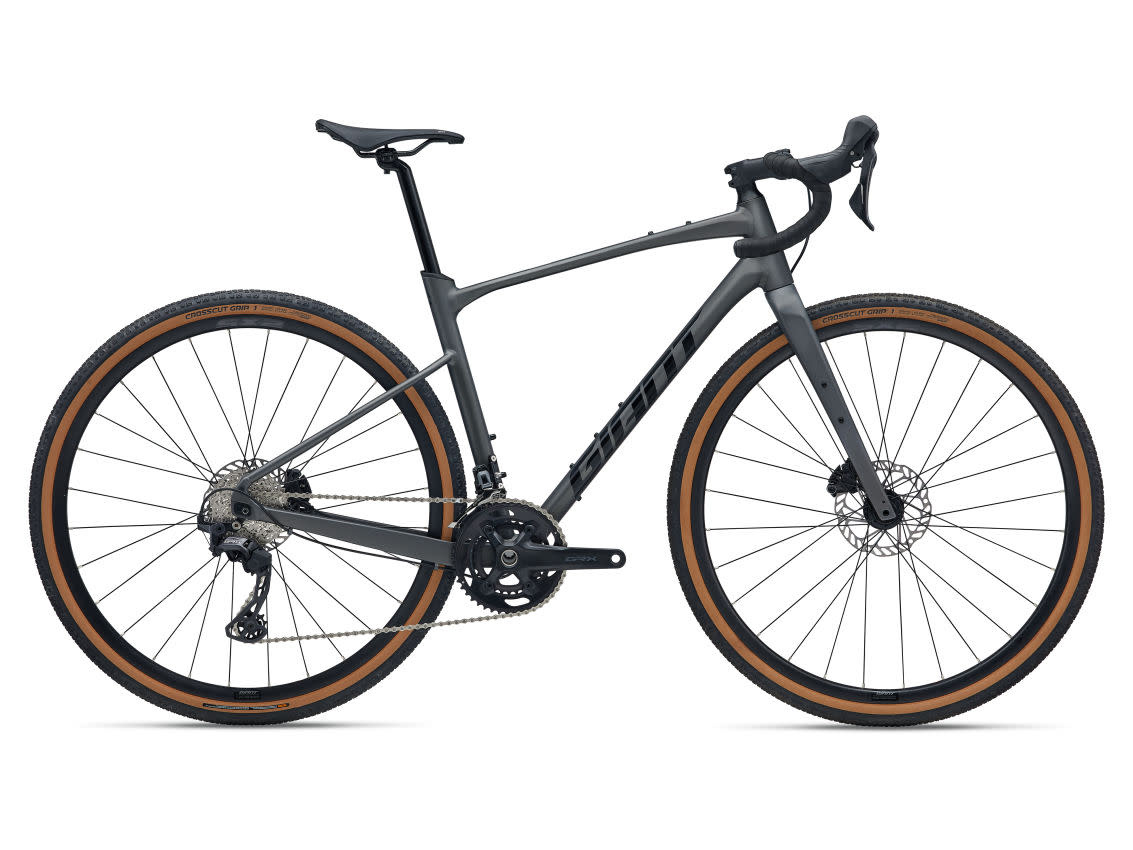
Gravel Bikes Toronto: How to Pick the Right Setup for Local Riding
If you’re shopping for gravel bikes Toronto riders use regularly, think about the surfaces you’ll actually ride week-to-week: pavement leaving the city, mixed-use paths, hardpack trails, and weekend trips to gravel networks outside the GTA.
A practical Toronto-area setup often looks like:
- 38–45mm tires for comfort on rough pavement and dirt
- Tubeless-ready wheels/tires to reduce flats and improve traction
- Hydraulic disc brakes for wet-weather control
- Gearing that climbs well (especially if you explore hilly routes)
- Mounts for fenders if you ride beyond fair-weather months
Also consider storage: a top tube bag and frame bag can be more practical than a backpack for longer rides.
Dialing In Tires: Tread, Width, and Pressure Basics
Tires are where gravel bikes come alive. Two riders can have the same bike but completely different experiences depending on width, tread, casing, and pressure.
Width guidelines (general starting point)
- 35–38mm: Fast all-road feel, great for mixed pavement and smooth gravel
- 40–45mm: The “do-it-all” range for most riders
- 47–50mm+: Extra comfort and grip for chunkier routes
Tread guidelines
- Slick/low tread center: Faster on pavement and hardpack
- Side knobs: Better cornering confidence on loose gravel
- More aggressive knobs: Best for dirt, mud, and rougher conditions (with some added rolling resistance)
When you’re ready to upgrade or tailor your ride to the season, check out our range of gravel tires designed for everything from fast hardpack to loose, chunky gravel.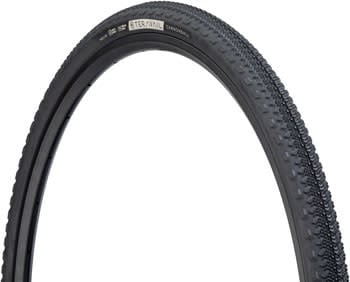
Essential Gear for Gravel Riding (Safety + Comfort)
Beyond the bike, the right gear makes gravel more fun—especially when conditions are unpredictable.
1) A helmet you’ll actually wear for every ride
Gravel routes can involve traffic connectors, descents on loose surfaces, and surprise potholes. Invest in a quality helmet that fits properly and feels comfortable for long rides.
2) Shoes that match your riding style
Many gravel riders choose clipless for efficiency and control. If you’re leaning toward road-style efficiency for long mileage, look at cycling shoes that provide a stiff platform for power transfer. If you expect more walking or hike-a-bike sections, consider gravel/off-road specific options (often with more tread) as well.
3) Must-haves for any gravel route
- Spare tube (even if tubeless), tire levers, and a mini pump or CO2
- Multi-tool and a quick link for your chain
- Water and nutrition (gravel routes can be remote)
- Light layers—conditions can change quickly
Common Mistakes to Avoid When Buying a Gravel Bike
- Buying too aggressive a setup: If you prioritize comfort and long days, a relaxed gravel geometry often beats a race-like fit.
- Underestimating tire clearance: More clearance equals more options as your riding expands.
- Ignoring gearing: A bike that’s geared too “tall” can turn steep gravel climbs into a grind.
- Over-focusing on weight: Fit, tires, and gearing usually matter more than saving a few hundred grams.
- Skipping test rides and sizing: A great deal isn’t great if the bike doesn’t fit your body.
Ready to Choose Your Gravel Bike?
Gravel riding is one of the best ways to explore more roads, more seasons, and more routes—without needing a different bike for every surface. Use this guide to narrow down your ideal geometry, tire clearance, drivetrain, and frame material, then choose a model that matches the way you’ll actually ride.
Next step: Browse our latest selection of gravel bikes, compare specs, and pick the build that fits your goals. If you’re upgrading your setup, don’t forget to add the right gravel tires and safety essentials like a quality helmet—then hit the roads less traveled.
Recent articles
View all
Making the Switch: How Road Cyclists Can Master Gravel Riding
Best Gravel Riding Routes and Adventures in Ontario: A Complete Guide for Canadian Gravel Cyclists