
Comparing Frame Materials: Carbon vs Titanium vs Steel for Road Bikes

Choosing the right frame material is one of the most important decisions you'll make when purchasing a road bike. The frame is the heart of your bicycle, dictating everything from ride quality and weight to durability and price. While aluminum remains a popular choice for budget-conscious riders, three materials dominate the high-performance and enthusiast segments: carbon fiber, titanium, and steel.
Each material offers distinct characteristics that can dramatically affect your cycling experience. Whether you're a competitive racer chasing marginal gains, a long-distance endurance rider seeking all-day comfort, or a cycling purist who values timeless craftsmanship, understanding these differences will help you make an informed decision.
In this comprehensive guide, we'll dive deep into the properties, benefits, and drawbacks of carbon fiber, titanium, and steel road bike frames to help you find the perfect match for your riding style and goals.
Carbon Fiber: The Performance Leader
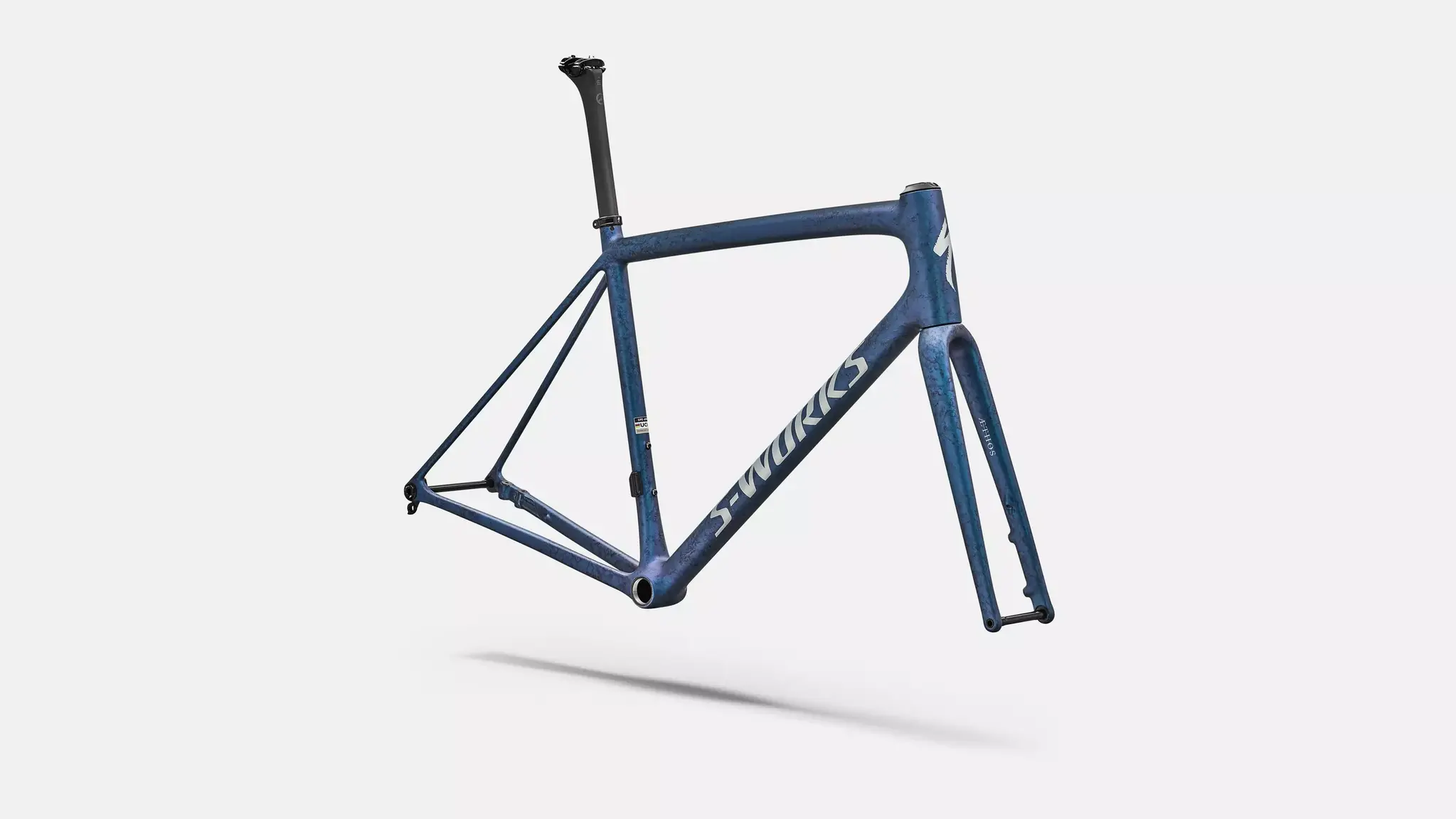
Carbon fiber has revolutionized road cycling over the past two decades, becoming the material of choice for professional racers and performance-oriented riders worldwide. Unlike metal frames constructed from tubes welded together, carbon frames are built by layering sheets of carbon fiber cloth impregnated with resin into molds, creating a monocoque structure or bonded tube assembly.
Advantages of Carbon Fiber Frames
Exceptional Strength-to-Weight Ratio: Carbon fiber's most celebrated attribute is its ability to provide incredible stiffness while maintaining remarkably low weight. High-end carbon road frames can weigh as little as 700-900 grams, making them the lightest option available. This weight savings translates directly to faster climbing, quicker acceleration, and less energy expenditure over long rides.
Customizable Ride Characteristics: One of carbon's most significant advantages is the engineering flexibility it provides. Manufacturers can strategically vary the carbon layup in different areas of the frame to create specific ride qualities. The bottom bracket area can be made extremely stiff for maximum power transfer during sprints and climbs, while the seat stays and chainstays can be designed with more compliance to absorb road vibrations and enhance comfort.
Aerodynamic Optimization: Carbon fiber can be molded into complex aerodynamic shapes that would be impossible or prohibitively expensive to achieve with metal tubes. Modern aero road bikes with truncated airfoil tube profiles, integrated cable routing, and sculpted seat tubes all leverage carbon's design flexibility to cheat the wind and save watts.
Vibration Damping: Carbon fiber naturally absorbs high-frequency road vibrations better than aluminum, resulting in a smoother, less fatiguing ride. This characteristic becomes increasingly important on rough pavement and during long rides where cumulative fatigue can significantly impact performance and enjoyment.
Corrosion Resistance: Unlike metal frames, carbon fiber doesn't rust or corrode, making it ideal for riders in coastal areas or those who ride in wet conditions.
Disadvantages of Carbon Fiber Frames
Price: High-quality carbon frames command premium prices, typically starting around $2,000 for framesets and reaching $5,000 or more for top-tier race models. The manufacturing process is labor-intensive and requires significant expertise.
Impact Sensitivity: While carbon is incredibly strong under the stresses of normal riding, it can be vulnerable to impact damage from crashes or improper handling. A hard impact can cause internal delamination that may not be visible from the outside but compromises structural integrity.
Difficult to Repair: Unlike metal frames, damaged carbon frames cannot be easily repaired by most bike shops. Specialized carbon repair services exist but are expensive and not always available.
Limited Lifespan: While properly cared for carbon frames can last many years, they don't have the theoretically infinite lifespan of steel or titanium. UV exposure and aging resins can eventually degrade the material.
Best For
Carbon fiber frames excel for competitive racers, performance-focused riders, and anyone who prioritizes weight savings and modern aerodynamic design. They're ideal for riders who take care of their equipment and want the most technologically advanced option available.
Titanium: The Forever Frame
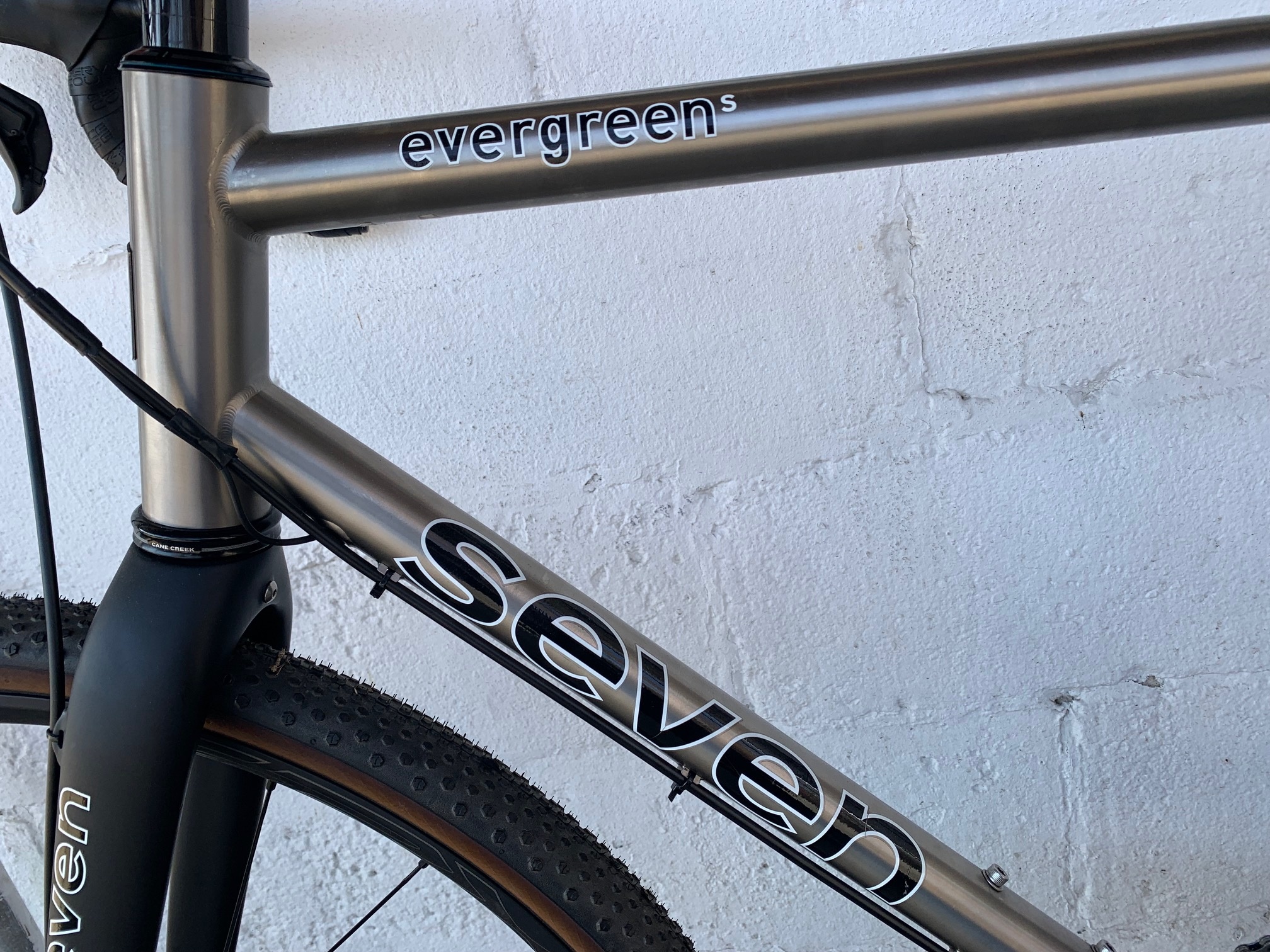
Titanium occupies a unique position in the cycling world, prized by discerning riders who value durability, ride quality, and timeless aesthetics. Often called the "forever frame," titanium offers an exceptional combination of properties that make it a favorite among serious long-distance riders and cycling connoisseurs.
Advantages of Titanium Frames
Legendary Durability: Titanium frames are virtually indestructible under normal riding conditions. The material has exceptional fatigue resistance, meaning it can withstand millions of stress cycles without weakening. A well-built titanium frame can easily outlast its owner, making it a true lifetime investment.
Corrosion Immunity: Titanium is completely impervious to corrosion, even in salt water. This makes titanium frames ideal for coastal riders, those who ride in all weather conditions, or anyone who wants a bike that will look great decades from now without rust or deterioration.
Excellent Ride Quality: Titanium provides a distinctive ride character often described as "lively" or "springy." It offers excellent road feel with natural compliance that absorbs vibrations without feeling soft or fleeting. Many riders consider titanium's ride quality the perfect middle ground between the harshness of aluminum and the sometimes overly damped feel of carbon.
Repairable: Titanium frames can be repaired by skilled framebuilders using TIG welding, making them more sustainable than carbon fiber alternatives.
Timeless Aesthetics: The natural brushed titanium finish has a classic, sophisticated appearance that never goes out of style. Many titanium frames are left unpainted, showcasing the beautiful metal finish and eliminating concerns about paint chips or fading.
Good Strength-to-Weight Ratio: While not as light as high-end carbon, titanium offers impressive strength at reasonable weights. Quality titanium road frames typically weigh 1,200-1,600 grams—heavier than carbon but lighter than steel, with superior durability to both.
Disadvantages of Titanium Frames
High Cost: Titanium is expensive both as a raw material and to work with. The metal requires specialized equipment and expertise to machine and weld properly. Titanium framesets typically start around $2,500-$3,000 and can exceed $5,000 for custom-built options from renowned builders.
Limited Availability: Relatively few manufacturers produce titanium frames compared to carbon or aluminum, limiting options for off-the-rack purchases. Many titanium frames are custom-built or made in small batches.
Cannot Be Painted: While many riders appreciate the natural titanium finish, those who want custom colors or graphics must use decals or accept the metallic appearance.
Less Aerodynamic: Titanium tubes maintain traditional round profiles due to manufacturing constraints, resulting in less aerodynamic efficiency compared to shaped carbon tubes.
Best For
Titanium frames are ideal for riders who value long-term investment, sustainability, and exceptional durability. They're perfect for touring cyclists, all-weather riders, those who keep their bikes for decades, and anyone who appreciates classic framebuilding craftsmanship.
Steel: The Classic Choice
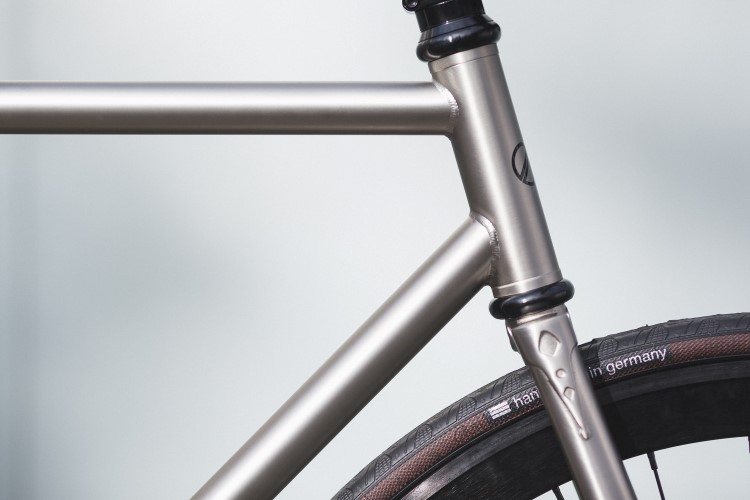
Steel is the oldest bicycle frame material still in production, and while it's been overshadowed by newer materials in the mass market, it maintains a devoted following among riders who prize its unique characteristics. Modern steel frames use advanced alloys like chromoly (chrome-molybdenum) and high-tensile steel that offer significantly better performance than the carbon steel of decades past.
Advantages of Steel Frames
Distinctive Ride Quality: Steel frames offer what many cyclists describe as the most natural, comfortable, and responsive ride quality of any material. The frame provides excellent road feedback while absorbing vibrations in a way that feels organic and connected. There's a reason experienced riders often describe steel as having "soul."
Exceptional Durability: Like titanium, steel frames are incredibly durable and can withstand decades of hard use. Steel has excellent fatigue resistance and is less likely to fail catastrophically than carbon or aluminum.
Easily Repairable: Steel frames can be repaired by framebuilders virtually anywhere in the world using standard welding equipment. Broken or bent tubes can be cut out and replaced, making steel frames extraordinarily sustainable.
Most Affordable Premium Material: Quality steel frames typically cost less than comparable titanium or high-end carbon frames, offering excellent value for riders seeking premium ride quality without the highest price tag.
Forgiving of Errors: Steel is more forgiving of slightly improper assembly or component installation than carbon fiber, making it a good choice for riders who work on their own bikes.
Timeless Aesthetic: Like titanium, steel frames can be finished with elegant paint schemes or powder coating that develop character over time. Many riders appreciate the classic appearance and craftsmanship visible in lugged steel construction.
Disadvantages of Steel Frames
Weight: Steel is the heaviest frame material in this comparison. A quality steel road frame typically weighs 1,600-2,200 grams—significantly more than carbon or titanium. While modern steel alloys have improved weight considerably, they still can't match lighter materials in this category.
Corrosion Susceptibility: Unlike carbon and titanium, steel will rust if the paint is damaged and the frame isn't properly maintained. Riders must be vigilant about protecting against moisture, especially in areas with road salt or high humidity.
Limited Top-End Stiffness: While steel provides excellent ride quality for most riders, it typically cannot achieve the extreme stiffness of high-end carbon frames. Competitive racers and powerful sprinters may notice flex under maximum effort.
Fewer Mass-Market Options: Most major bicycle brands have reduced or eliminated steel from their road bike lineups, focusing instead on carbon and aluminum. Riders often need to seek out smaller custom builders or specialty brands for quality steel frames.
Best For
Steel frames excel for riders who prioritize ride quality, comfort, and sustainability over absolute weight savings. They're ideal for touring, randonneuring, all-day endurance rides, and anyone who values traditional framebuilding craftsmanship and repairability.
Head-to-Head Comparison
Weight
Winner: Carbon Fiber (700-1,100g) > Titanium (1,200-1,600g) > Steel (1,600-2,200g)
Carbon fiber is the clear winner for weight-conscious riders, though the gap between materials matters less for recreational riders than competitive racers.
Ride Quality
Subjective Winner: Tie (depends on personal preference)
This category is highly subjective. Carbon can be engineered for any ride characteristic, titanium offers lively compliance, and steel provides organic feedback. Your preference depends on what feels "right" to you.
Durability
Winner: Titanium > Steel > Carbon
Titanium edges out steel due to its corrosion immunity, though both metal options dramatically outlast carbon in terms of potential lifespan.
Value
Winner: Steel > Carbon > Titanium
Steel offers the best ride quality per dollar, though budget carbon frames provide good value for performance. Titanium commands premium prices but justifies them with longevity.
Aerodynamics
Winner: Carbon Fiber > Titanium ≈ Steel
Carbon's ability to form aerodynamic profiles gives it a significant advantage for riders prioritizing speed and efficiency.
Repairability
Winner: Steel = Titanium > Carbon
Both metals can be repaired by skilled builders, while carbon requires specialized facilities and expertise.
Making Your Decision
Choosing between carbon, titanium, and steel ultimately depends on your priorities, budget, and riding style:
Choose Carbon Fiber if:
- You're a competitive racer or performance-focused rider
- Weight savings and aerodynamics are top priorities
- You want access to the latest technology and design
- You're willing to invest in a premium frame and take care of it properly
- You primarily ride on maintained roads
Choose Titanium if:
- You want a bike that will last decades with minimal maintenance
- You ride in all weather conditions or live in coastal areas
- You value ride quality and durability over absolute weight savings
- You're willing to invest in a lifetime frame
- You appreciate classic, timeless aesthetics
Choose Steel if:
- You prioritize ride quality and comfort over weight
- You value sustainability and repairability
- You're building a touring bike, randonneuring bike, or all-weather commuter
- You want excellent performance without the highest price tag
- You appreciate traditional framebuilding craftsmanship
Explore Our Road Bike Frame Collection
Ready to start building your dream road bike? Explore our curated selection of road bike frames and framesets featuring premium carbon, titanium, and steel options from leading manufacturers and boutique builders.
Whether you're seeking a lightweight carbon race frame, a durable titanium endurance platform, or a classic steel frameset with timeless appeal, our collection provides the perfect foundation for your custom build. Each frameset includes essential components like headsets and hardware, ready for you to add your preferred drivetrain, wheels, and components.
Visit our showroom to see these materials in person and discuss your specific needs with our expert staff. We can help you select the right frame material, geometry, and size to match your riding goals and build specifications.

Final Thoughts
There's no universally "best" frame material—only the best material for your individual needs and preferences. Carbon fiber dominates professional racing for good reason, but titanium and steel offer compelling advantages that resonate with different types of riders.
The most important factor is that your frame inspires you to ride more often. Whether that means the cutting-edge performance of carbon, the lifetime durability of titanium, or the classic soul of steel, the right frame material is the one that gets you excited to clip in and explore the open road.
Consider test riding bikes with different frame materials if possible. The subjective experience of how a bike feels beneath you often matters more than any specification on paper. Your perfect road bike frame is waiting—choose the material that speaks to your cycling soul and builds toward your goals.
Recent articles
View all
Smart Trainer vs Wheel-On Trainer: Which Indoor Bike Trainer Should You Buy?

Best Indoor Cycling Apps for Smart Trainers: Zwift, TrainerRoad, and More