

Carbon Fiber Mountain Bike Frames: Weight vs Strength Trade-offs
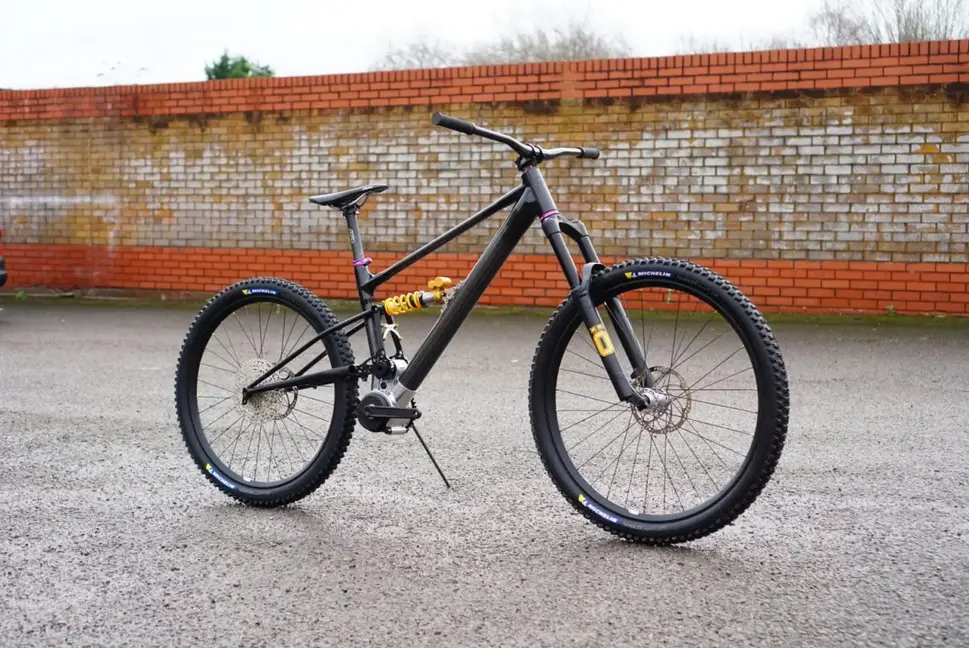
Carbon fiber has revolutionized mountain bike frame design, enabling geometries, performance characteristics, and weight reductions impossible with traditional metal materials. From World Cup downhill racing to cross-country competition and aggressive trail riding, carbon frames dominate the high-performance segment of mountain biking. Yet despite carbon's widespread adoption and technological advantages, the material involves complex trade-offs between weight savings, structural strength, impact resistance, and long-term durability that every rider should understand before investing in a carbon frame.
This comprehensive guide examines the engineering principles, real-world performance characteristics, and practical considerations surrounding carbon fiber mountain bike frames. Whether you're considering your first carbon frame or evaluating whether carbon's advantages justify its premium pricing and potential compromises, understanding these trade-offs empowers informed purchasing decisions aligned with your riding style, priorities, and budget.
Understanding Carbon Fiber Composite Technology
What Makes Carbon Different
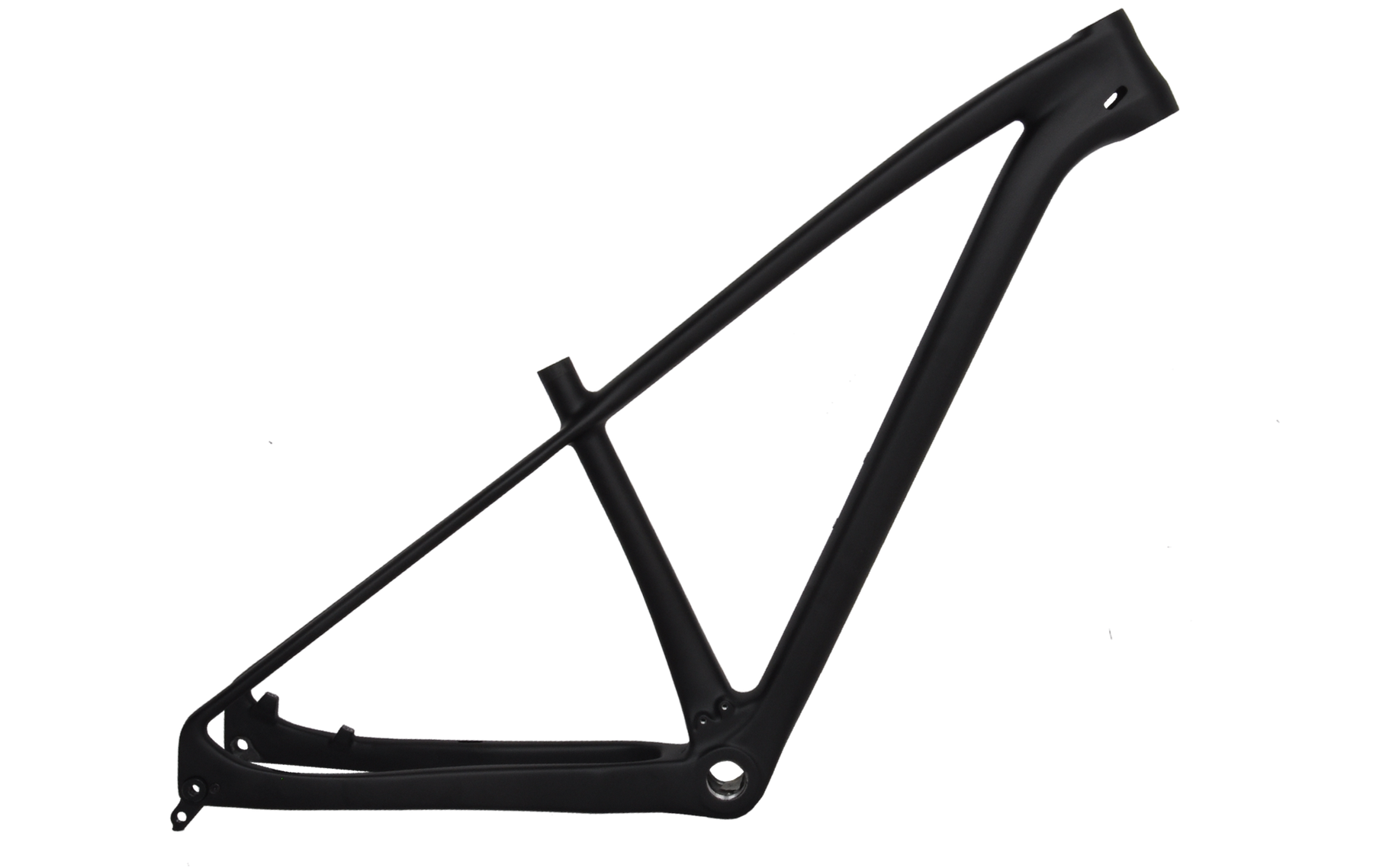
Carbon fiber frames aren't simply made "of carbon"—they're complex composite structures combining carbon fiber reinforcement with epoxy resin matrices. The carbon fibers themselves are incredibly strong and stiff, but they're also brittle and unable to form shapes independently. The epoxy resin binds the fibers together, transfers loads between fibers, and gives the composite its final form.
This composite nature fundamentally distinguishes carbon from metal frame materials like aluminum, steel, or titanium. Metals are isotropic—they have uniform properties in all directions. Carbon fiber composites are anisotropic—their properties vary dramatically based on fiber orientation, layup schedules, and resin systems. This directional property allows engineers to place strength precisely where needed while minimizing weight elsewhere, but it also creates vulnerabilities that don't exist in metal frames.
Layup Engineering and Design Flexibility
Carbon frame manufacturing involves laying sheets of carbon fiber fabric (pre-impregnated with resin, called "prepreg") into molds in specific orientations and sequences. Engineers control fiber direction, density, and thickness throughout the frame, precisely tuning stiffness, compliance, and strength characteristics.
This design freedom enables frame shapes impossible with metal tubes. Oversized bottom bracket areas for maximum pedaling stiffness, aerodynamic tube profiles, integrated cable routing, and complex junction shapes optimize performance in ways metal construction cannot match. Engineers can create frames that are laterally stiff for efficient power transfer yet vertically compliant for comfort—characteristics difficult to achieve simultaneously with isotropic materials.
The layup process also allows targeted reinforcement. High-stress areas like head tube junctions, bottom bracket shells, and dropout interfaces receive additional carbon layers, while less critical areas use minimal material for weight savings. This optimization produces frames that are simultaneously lighter and stronger than possible with uniform-thickness metal tubes.
The Weight Advantage: Real Numbers and Context
Quantifying Carbon's Weight Savings
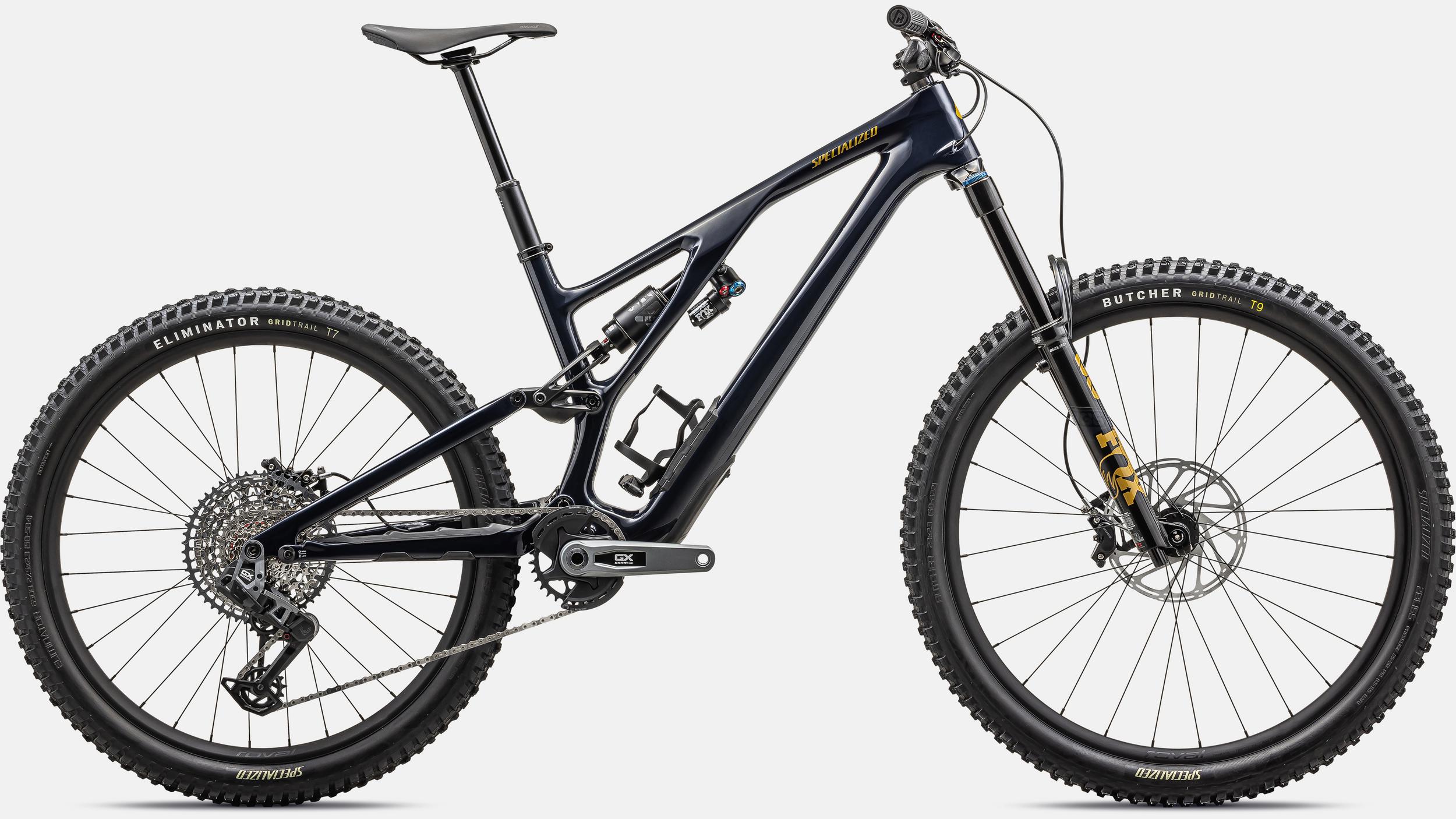
Carbon fiber's strength-to-weight ratio delivers dramatic frame weight reductions compared to metal alternatives. A quality carbon cross-country hardtail frame might weigh 900-1,100 grams, while comparable aluminum frames typically weigh 1,400-1,800 grams—a difference of 500-700 grams (roughly one pound). Full-suspension trail frames show similar differentials, with carbon frames averaging 2,000-2,400 grams versus aluminum's 2,600-3,200 grams.
These weight savings compound throughout the bike. Lighter frames require less robust (and lighter) components to achieve target strength margins. The cumulative effect can produce complete bike weight differences of 2-4 pounds between equivalent carbon and aluminum builds—meaningful improvements for climbing efficiency and acceleration.
Where Weight Savings Matter Most
Weight reduction delivers the most noticeable benefits in specific scenarios:
Climbing Performance: Reduced gravitational load means less energy expenditure ascending. On long climbs, several pounds of weight savings translate to measurably less fatigue and faster ascent times. Competitive cross-country racers and riders who prioritize climbing efficiency benefit tremendously from carbon's weight advantages.
Acceleration and Handling: Lighter frames accelerate more quickly from stops and out of corners. The reduced rotational mass also improves handling responsiveness, creating more nimble-feeling bikes that change direction effortlessly.
Carrying and Transport: Lighter bikes are easier to shoulder during hike-a-bike sections, lift onto roof racks, or carry upstairs to apartments. For riders who frequently transport bikes or encounter portage sections, reduced weight provides practical everyday benefits beyond riding performance.
When Weight Matters Less
Weight savings deliver diminishing returns in certain contexts:
Downhill and Gravity Riding: Descending doesn't fight gravity—it harnesses it. Heavier bikes can actually feel more planted and stable at speed. Downhill racers often add weight to bikes through robust components prioritizing strength over lightness.
Technical Trail Riding: On technical terrain requiring constant speed modulation, absolute weight matters less than handling characteristics and confidence-inspiring stability. A slightly heavier bike that inspires confidence through rough sections often produces faster overall times than a lighter bike that feels nervous and unpredictable.
Riders Above 200 Pounds: Heavier riders generate proportionally less benefit from frame weight savings. Reducing frame weight by one pound matters more to a 140-pound rider (0.7% of system weight) than a 220-pound rider (0.45% of system weight).
Strength Characteristics: Understanding the Complexities
Directional Strength and Stiffness
Carbon's anisotropic nature creates frames that are incredibly strong in designed load directions but potentially vulnerable to unexpected loads. Engineers design for anticipated stresses—pedaling forces, braking loads, impact from below, lateral loads during cornering. The fiber orientations and layup schedules optimize strength for these expected forces.
However, carbon can be surprisingly vulnerable to loads from unexpected directions. A side impact that wouldn't phase an aluminum frame might crack carbon layers not oriented to resist lateral forces. This directional nature doesn't make carbon weaker—it makes carbon's strength more application-specific and potentially less forgiving of abuse outside design parameters.
Impact Resistance Realities
Carbon's impact resistance is complex and often misunderstood. The material excels at absorbing and distributing high-energy impacts over large areas—the very impacts mountain biking regularly delivers. A square hit to a carbon frame from a rock or root often causes no damage as the impact energy distributes throughout the structure.
However, carbon is vulnerable to point-load impacts—small, hard objects contacting limited surface areas. A carbon rim hitting a sharp rock edge might crack where an aluminum rim would simply dent. Clamping carbon frames improperly can cause crush damage. Dropping bikes onto hard edges or impacts from sharp objects create localized damage that wouldn't affect metal frames.
This vulnerability to point loads requires more careful handling and protection than metal frames demand. Frame guards, careful clamping practices, and protective tape in high-wear areas become essential rather than optional for carbon frame longevity.
Fatigue and Longevity Questions
Carbon fiber itself doesn't fatigue like metals—the fibers don't accumulate damage through stress cycles the way aluminum does. However, the epoxy resin matrix can degrade over time through UV exposure, heat cycling, moisture absorption, and chemical exposure. This resin degradation potentially affects long-term structural integrity.
Additionally, carbon's inability to yield before failure creates concerns. Aluminum frames typically show visible deformation before catastrophic failure, providing warning signs. Carbon can fail suddenly with minimal warning when damage accumulates to critical levels. This characteristic makes regular inspection essential and creates uncertainty about remaining service life in frames showing no visible issues.
Quality carbon frames from reputable manufacturers engineered with appropriate safety margins can last many years with proper care. However, the material's long-term durability remains less proven than steel or titanium, which have decades of documented service life. For riders planning 20-30 year frame ownership, this uncertainty matters.
The Hidden Damage Problem
Internal Delamination Concerns
One of carbon's most significant practical concerns is internal damage that's invisible from external inspection. Impact can cause delamination—separation between carbon layers—without creating visible surface cracks. This hidden damage compromises structural integrity while remaining undetectable without specialized equipment like ultrasound or X-ray inspection.
External scratches or scuffs that would be purely cosmetic on metal frames might indicate subsurface damage in carbon requiring professional assessment. This uncertainty complicates used carbon frame purchases—you're trusting previous owners handled the frame properly and honestly disclose any crash history. Even minor parking lot tip-overs could cause damage that won't reveal itself until catastrophic failure during riding.
UV Degradation and Environmental Factors
Ultraviolet light exposure gradually degrades epoxy resin systems, potentially weakening carbon structures over years of outdoor storage or riding. Paint and clear coat finishes provide UV protection, but scratches that penetrate to raw carbon expose underlying material to degradation.
Temperature extremes also affect carbon frames. The resin matrix can soften in extreme heat (like inside closed cars on summer days) and become brittle in extreme cold. While quality frames tolerate normal environmental variations, extreme conditions create concerns absent with metal frames.
Cost Considerations and Value Proposition
Premium Pricing Realities
Carbon mountain bike frames command premium prices, typically starting around $2,000-$3,000 for quality options and extending to $5,000+ for top-tier models. Complete carbon mountain bikes range from $3,000-$4,000 for entry-level builds to $8,000-$15,000+ for high-end specifications.
These prices reflect manufacturing complexity, material costs, engineering investment, and market positioning. Carbon frame production requires expensive molds, skilled labor, and quality control that metal welding doesn't demand. The performance advantages justify premium pricing for riders who benefit from carbon's characteristics, but the cost-benefit equation depends heavily on individual priorities.
When Carbon Justifies Premium Cost
Carbon delivers clear value for:
Competitive Riders: Racing demands maximum performance. Weight savings and optimized stiffness characteristics provide tangible competitive advantages worth significant investment.
Performance-Focused Enthusiasts: Riders who pursue personal records, fastest known times, or simply want the best available equipment benefit from carbon's performance envelope.
Long-Distance and Endurance Riders: Multi-hour rides amplify the fatigue reduction from carrying less weight. The investment pays off through enhanced endurance and reduced exhaustion.
Riders Who Can Afford Premium Equipment: For some riders, cost is secondary to performance. If budget allows, carbon provides meaningful improvements worth the expense.
When Aluminum or Other Materials Make More Sense
Carbon isn't optimal for every rider:
Budget-Conscious Riders: Aluminum delivers 85-90% of carbon's performance at 40-60% of the cost. For riders prioritizing value, aluminum offers better cost-effectiveness.
Aggressive Riders in Rocky Terrain: Riders who regularly impact frames against rocks, frequently crash, or generally abuse equipment might find aluminum's impact tolerance and lower replacement cost more practical.
Casual Riders: Recreational riders who don't push performance limits see minimal practical benefit from carbon's advantages. The weight savings rarely offset the premium costs for non-competitive, moderate-intensity riding.
Riders Uncertain About Long-Term Commitment: If you might sell your bike in a year or two, aluminum's lower depreciation and more liquid resale market provide financial advantages.
Maintenance and Longevity Considerations
Inspection and Care Requirements
Carbon frames require more vigilant inspection than metal alternatives. Regularly examine your frame for:
- Cracks or fractures, particularly around high-stress junctions
- Paint cracking that might indicate underlying damage
- Unusual sounds (creaking or cracking noises) suggesting structural issues
- Changes in ride feel that might signal damage
After crashes, have carbon frames professionally inspected even when no visible damage appears. The cost of professional assessment is negligible compared to catastrophic failure during riding.
Protective Measures
Protect carbon frames through:
- Frame protection tape or guards in high-wear areas
- Careful clamping practices (never clamp carbon frame tubes in work stands)
- Proper torque specifications on all fasteners (over-tightening can crush carbon)
- UV protection through proper storage and touch-up of paint chips
Repair vs. Replace Decisions
Carbon frame damage sometimes allows repair through carbon fiber patching and resin injection. However, repairs rarely restore original strength and significantly affect resale value. Unless damage is minor and in low-stress areas, replacement often makes more sense than repair for carbon frames.
This contrasts with metal frames, where dents and dings rarely compromise ridability and structural repairs can restore full strength. Carbon's repair limitations factor into lifetime cost considerations.
Making Your Carbon Frame Decision
Evaluating Your Priorities
Consider these factors when deciding if carbon suits your needs:
Performance Priority: How much do weight savings and optimized stiffness matter to your riding satisfaction?
Riding Style: Do you ride competitively, pursue performance metrics, or ride more casually for enjoyment?
Terrain and Conditions: Rocky, rough terrain with frequent frame impacts favors more impact-tolerant materials.
Budget Reality: Can you comfortably afford carbon's premium without compromise elsewhere in your build?
Ownership Timeline: Do you upgrade frequently (favoring lower-cost options) or keep bikes long-term (justifying premium investment)?
Risk Tolerance: Are you comfortable with carbon's hidden damage uncertainty and catastrophic failure potential?
The Balanced Perspective
Carbon fiber frames deliver genuine performance advantages—lighter weight, optimized stiffness characteristics, and design flexibility that advance mountain bike capability. For riders who prioritize performance and can afford the premium, carbon provides meaningful improvements.
However, carbon isn't universally superior. The material involves trade-offs in impact tolerance, long-term durability assurance, and cost-effectiveness. Aluminum, steel, and titanium each offer advantages in specific contexts. The "best" material depends entirely on your individual priorities, riding style, and circumstances.
Conclusion
Carbon fiber mountain bike frames represent the pinnacle of modern frame technology, offering weight savings and performance optimization that define current high-end mountain biking. The material's strength-to-weight advantages deliver real performance benefits for competitive riders, performance enthusiasts, and anyone who values reduced weight and optimized stiffness characteristics.
However, carbon's trade-offs—vulnerability to point impacts, hidden damage concerns, premium pricing, and uncertain long-term durability—require careful consideration. Understanding these complexities empowers informed decisions about whether carbon's advantages align with your riding priorities, budget realities, and risk tolerance.
Ready to explore premium mountain bike frame options engineered for your specific riding style? Discover our custom MTB frame collection featuring options in carbon fiber, titanium, and other materials. Whether you choose carbon's cutting-edge performance or alternative materials offering different advantages, building your dream mountain bike starts with the perfect frame foundation tailored to your unique needs and preferences.
Recent articles
View all
Smart Trainer vs Wheel-On Trainer: Which Indoor Bike Trainer Should You Buy?

Best Indoor Cycling Apps for Smart Trainers: Zwift, TrainerRoad, and More