
Aerodynamic Frame Design: When Speed Matters Most

In the relentless pursuit of speed, aerodynamics has emerged as the single most important factor for road cyclists at racing speeds. While lightweight frames and powerful legs certainly matter, the physics are unambiguous: above 25 km/h (15.5 mph), aerodynamic drag becomes the dominant force you're fighting against. In fact, at typical racing speeds of 40 km/h (25 mph), approximately 90% of your effort goes toward overcoming air resistance—not rolling resistance, not gravity, but the invisible wall of air molecules your body and bike must push through.
This reality has revolutionized road bike frame design over the past decade. Modern aerodynamic frames aren't just marginally faster than traditional round-tube designs—they represent a fundamental reimagining of what a road bike can be. For riders who compete, participate in time trials, or simply want to maximize their speed potential, understanding aerodynamic frame design isn't optional—it's essential knowledge that directly impacts performance.
In this comprehensive guide, we'll explore the science behind aerodynamic frame design, explain what makes modern aero frames so effective, examine the trade-offs involved, and help you determine when aerodynamic optimization should be your top priority.
The Physics of Aerodynamic Drag

To appreciate why frame design matters so much, we need to understand aerodynamic drag. When you ride, you encounter three types of drag:
Pressure Drag (Form Drag): This occurs when air flowing around your bike and body separates from surfaces, creating turbulent low-pressure zones behind them. Wider, blunter surfaces create more pressure drag. This represents approximately 70-80% of total aerodynamic resistance.
Skin Friction Drag: This results from air molecules rubbing against surfaces as they flow past. Rougher textures create more friction drag, though this represents only about 10% of total drag.
Interference Drag: This occurs where different components interact—where the frame meets the wheel, where cables attach to the frame, or where your legs pass the frame. Minimizing these interference points reduces overall drag.
Modern aerodynamic frames primarily target pressure drag through carefully shaped tube profiles that manage airflow more efficiently. By controlling how air separates from surfaces and reducing turbulent wake zones, engineers can dramatically reduce the power required to maintain speed.
Key Elements of Aerodynamic Frame Design
Truncated Airfoil Tube Shapes
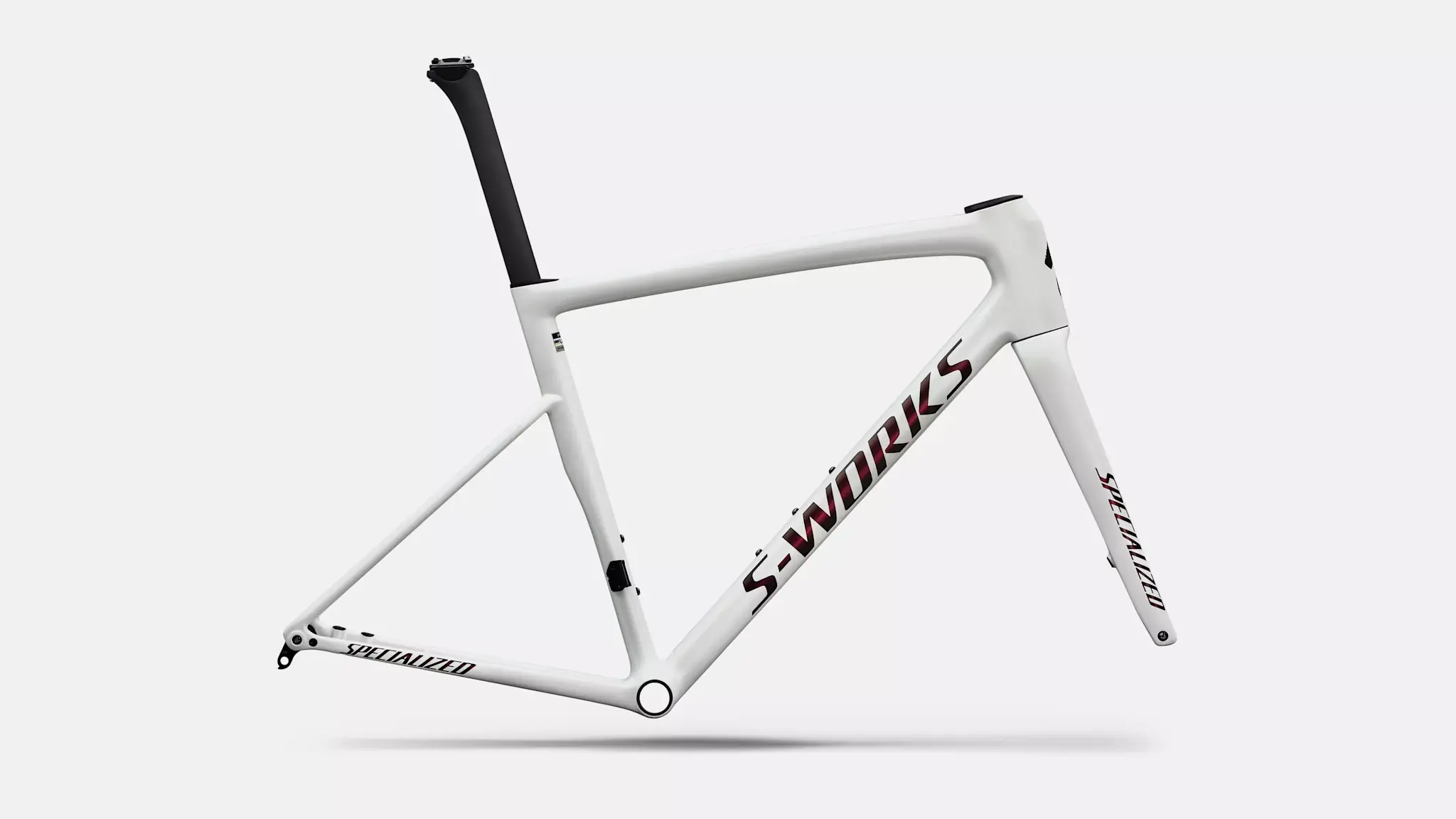
The most visible characteristic of aerodynamic frames is their distinctive tube profiles. Unlike traditional round tubes, aero frames use truncated airfoil shapes—resembling airplane wings cut off at the trailing edge. These profiles are typically 2.5 to 4 times deeper than they are wide, creating the distinctive "blade-like" appearance of modern aero bikes.
Why It Works: Full airfoil shapes are aerodynamically ideal in isolation, but on bicycles, the trailing edges would interfere with wheels and rider movement. Truncated airfoils maintain most of the aerodynamic benefit while providing practical clearances. The wide leading edge splits airflow smoothly, while the truncated tail encourages controlled flow separation, minimizing turbulent wake.
Real-World Impact: Compared to round tubes of equivalent stiffness, truncated airfoil profiles can reduce frame drag by 15-30%, saving 5-15 watts at racing speeds. While this seems modest, a 10-watt savings sustained over a 40km time trial translates to approximately 20-30 seconds—potentially the difference between winning and losing.
Kamm Tail Design
Many cutting-edge aero frames now incorporate Kamm tail designs, named after German automotive engineer Wunibald Kamm. These profiles feature a relatively abrupt cutoff at the trailing edge rather than a gradual taper.
Aerodynamic Principle: Kamm tails work by encouraging the boundary layer to remain attached slightly longer before separating, creating a smaller, more organized wake. The blunt trailing edge actually produces less drag than attempting to taper to an impossibly thin edge, which would cause premature flow separation.
UCI Compliance: The 3:1 depth-to-width ratio mandated by cycling's governing body for racing bikes has made Kamm tails particularly valuable. Engineers maximize the depth allowed while using Kamm tail truncation to optimize the trailing edge within these constraints.
Integrated Cable Routing
External cables represent a significant source of aerodynamic drag. Round cables create turbulent flow and increase the effective frontal area of your bike. Modern aero frames address this through fully integrated internal routing.
Drag Reduction: Eliminating external cables can save 3-8 watts depending on cable quantity and routing. Brake cables, being thicker and more exposed, typically create more drag than shift cables. Electronic shifting systems, with their thinner wires, offer additional marginal gains.
Design Challenges: Internal routing complicates maintenance and can create cable noise. The best designs include smooth, gradual bends and use frame passages rather than exposed tubes running through the frame interior.
Fork Design and Integration
The front fork represents a critical aerodynamic zone because it operates in clean, undisturbed air (unlike the rear triangle, which sits in the turbulent wake from your legs and frame). Advanced aero frames feature specially designed forks that work in concert with the frame's aerodynamic profile.
Crown Integration: Seamless integration between the fork crown and head tube eliminates gaps and steps that create turbulence. Many designs extend the down tube's airfoil profile to wrap around or blend with the fork crown.
Blade Shaping: Fork blades use asymmetric airfoil profiles optimized for the angled airflow they encounter (air approaches from slightly ahead and to the side due to bike lean and wind angles). The shapes differ between the leading and trailing edges to manage this complex flow pattern.
Wheel Interaction: The fork blade profiles are specifically designed to work with the front wheel, managing the airflow that will then interact with the wheel's rim profile. This integrated approach yields better results than optimizing components in isolation.
Dropped Seat Stays
Most modern aero frames feature seat stays that connect to the seat tube well below the top tube, rather than meeting at a traditional junction near the seat post. This design appears on nearly every contemporary aero road bike for good aerodynamic reasons.
Aerodynamic Benefit: Lowered seat stay junctions reduce the frontal area seen by oncoming air and create a smoother, more streamlined profile. The design allows the seat tube to extend higher with a cleaner airfoil shape before tapering to meet the seat post.
Compliance Bonus: The longer, more slender seat stays provide increased vertical compliance, helping attenuate road vibrations. This demonstrates how aerodynamic optimization can simultaneously improve comfort—the opposite of the old "aero equals harsh" assumption.
Bottom Bracket Shell Refinement
The bottom bracket area represents one of the most aerodynamically challenging zones on a bicycle. Air approaching this junction encounters complex geometry where chainstays, seat tube, and down tube all converge while your legs pass nearby creating turbulent interference.
Shell Shaping: Modern aero frames use asymmetric, shaped bottom bracket shells rather than simple cylindrical forms. These carefully sculpted junctions smooth airflow transitions and reduce the turbulent wake that would otherwise form in this critical area.
Chainstay Profiles: The chainstays themselves use airfoil shaping optimized for the complex, constantly changing airflow created by your moving legs. Some designs even feature different profiles on the drive side versus non-drive side to account for the chainring's presence.
Quantifying Aerodynamic Gains
Wind tunnel testing and computational fluid dynamics (CFD) have allowed precise measurement of aerodynamic improvements. Here's what modern aero frames actually save:
Frame Only: A complete aerodynamic frame system (frame, fork, seat post, handlebars) can save 20-50 watts compared to a traditional round-tube frame at 40 km/h. The exact savings depend on riding position, wind angle, and specific frame designs being compared.
Real-World Conditions: While wind tunnel tests occur in controlled environments, real-world riding involves variable wind angles, road vibration, and imperfect positioning. Field testing suggests riders actually realize 60-75% of wind tunnel gains during typical riding—still extremely significant.
Comparative Context: To put these numbers in perspective:
- A 30-watt aerodynamic advantage equals roughly 1.2-1.5 km/h speed increase at constant power
- Over a 40km time trial, 30 watts sustained equals approximately 60-90 seconds
- Aerodynamic gains of 20-30 watts exceed the weight savings from upgrading to the lightest wheels available
Wind-Averaged Drag
A crucial concept in evaluating aerodynamic frames is wind-averaged drag or "weighted average CdA" (coefficient of drag × frontal area). Because real-world riding involves varying wind angles—not just headwinds—modern aero frames are optimized across a range of yaw angles from 0° to ±20°.
Real-World Advantage: Traditional testing measured only zero-degree yaw (straight headwind), but you rarely experience this. Most riding occurs with effective wind angles between 5-15° due to crosswinds and bike movement. Modern aero frames often perform best at these real-world angles, sometimes showing larger advantages than in straight headwinds.
Optimization Philosophy: Engineers now design frames that may sacrifice slight performance in perfect headwinds (0° yaw) to achieve larger gains at the 5-15° range where riders spend most of their time. This practical approach delivers better real-world performance.
The Evolution of Aerodynamic Frame Design
Aerodynamic optimization in road bikes has progressed through several generations:
First Generation (2000-2010): Early aero frames used simple elongated tube shapes with basic airfoil concepts. External cables remained standard, and integration between components was minimal. Gains were modest—typically 10-20 watts over traditional frames.
Second Generation (2010-2015): Frames adopted truncated airfoil profiles with more sophisticated shaping. Integrated seat posts appeared, and some cable routing moved internal. Wind tunnel testing became standard. Performance gains increased to 20-35 watts.
Third Generation (2015-2020): Comprehensive integration became the norm—fully internal routing, proprietary cockpit systems, optimized fork-frame interaction, and designs based on extensive CFD analysis and wind tunnel validation. Gains reached 30-50 watts while compliance and handling improved.
Current Generation (2020-Present): Today's cutting-edge designs leverage advanced materials and manufacturing to create frames that optimize aerodynamics while improving compliance, reducing weight, and enhancing handling. The false choice between aero, lightweight, and comfortable has been largely eliminated at the highest level.
Aerodynamics vs. Weight: The Speed Equation
One of the most common debates in road cycling is whether aerodynamic optimization or weight reduction matters more. The answer depends entirely on terrain and speed:
Flat Terrain at Race Pace: On flat roads at 35-45 km/h, aerodynamics dominates completely. A 30-watt aerodynamic advantage far outweighs a 500-gram weight penalty. Choose the aero frame without hesitation.
Rolling Terrain (2-4% Grades): Aerodynamics still provides greater advantage on moderate climbs at racing speeds. A rider maintaining 30 km/h on a 3% grade benefits more from reduced drag than reduced weight. The advantage narrows as grades increase.
Steep Climbing (7%+ Grades): On sustained steep climbs where speeds drop below 20 km/h, weight becomes increasingly important relative to aerodynamics. However, even here, an aero frame's weight penalty is often just 200-400 grams compared to the lightest climbing frames—rarely decisive for non-professional riders.
Time Trials and Triathlons: Aerodynamics reigns supreme in time trial events where sustained high speeds and flat-to-rolling courses dominate. The most aerodynamic frame should always be your choice, regardless of minor weight penalties.
Real-World Mixed Terrain: Most riding involves varied terrain with flat sections, rollers, descents, and climbs. Analysis of typical sportive, gran fondo, and criterium courses consistently shows aerodynamic frames provide net time advantages despite slight weight penalties.
When Aerodynamic Frames Make the Most Difference

Understanding when aero frame optimization matters most helps you make informed purchasing decisions:
Time Trialists and Triathletes
For riders competing against the clock, aerodynamic frame selection is non-negotiable. Every watt saved translates directly to improved finishing times. The combination of sustained high speeds, flat-to-rolling terrain, and no drafting opportunities makes aerodynamics the paramount concern. Time trialists should prioritize aerodynamic optimization above all other frame characteristics.
Criterium and Circuit Racers
Criterium racing involves repeated accelerations, high-speed corners, and sprint finishes—all scenarios where aerodynamics provides measurable advantages. While traditional thinking emphasized lightweight frames for these events, modern analysis shows aerodynamic frames often deliver better results. The high average speeds (often 40+ km/h in elite fields) mean aerodynamics matters more than the minor weight penalties of aero frames.
Road Racers and Competitive Riders
For road racing, aerodynamic frames offer advantages during breakaways, time trial stages, and any situation involving sustained high-speed efforts without drafting benefits. Modern aero road frames have evolved to handle technical descents and mixed terrain confidently, making them viable for all but the most mountainous races.
Fast Group Riders
If you regularly ride in groups maintaining 30+ km/h averages, an aerodynamic frame helps you stay with the group more comfortably. Less effort required to maintain speed means more energy available for hard efforts, longer endurance, and better positioning within the group.
Solo Training and Riding
Riders who train alone, commute at speed, or simply enjoy going fast will appreciate the measurable speed advantage aero frames provide. Without drafting benefits from riding in groups, you face full wind resistance—exactly where aerodynamic optimization delivers maximum value.
When to Prioritize Other Factors
Aerodynamic frames may not be optimal if you:
- Primarily ride at lower speeds (<25 km/h average) where aerodynamics matters less
- Focus exclusively on steep climbing where weight becomes more important
- Prioritize maximum comfort for ultra-endurance events
- Have limited budget and can achieve similar speeds with a less expensive non-aero frame plus aerodynamic wheels and position optimization
Aerodynamics and Frame Stiffness
A common misconception is that aerodynamic tube shapes compromise stiffness. In reality, modern aero frames often exceed traditional round-tube frames in both lateral and torsional stiffness:
Larger Tube Profiles: Aerodynamic frames use larger-diameter tubes than traditional designs. Since stiffness increases with the fourth power of tube diameter, these larger profiles can actually provide superior stiffness despite using less material (thinner walls).
Optimized Shapes: The elongated cross-sections of aero tubes resist bending in the plane where forces are highest (lateral plane for down tubes and chainstays, vertical plane for seat tubes). Engineers can tune layups to provide stiffness where needed while allowing controlled compliance elsewhere.
Power Transfer: High-quality aero frames deliver power transfer characteristics equal to or exceeding traditional race frames. Bottom bracket stiffness values often exceed 80 Nm/degree—more than sufficient for even professional-level sprinters generating peak powers above 2,000 watts.
The Integration Challenge
Maximum aerodynamic performance requires integration between frame and components—creating both opportunities and challenges:
Proprietary Components: Many aero frames require specific handlebars, stems, seat posts, or other components designed to integrate perfectly with the frame's aerodynamic profile. This integration delivers optimal performance but limits component choices and can increase replacement costs.
Maintenance Complexity: Fully integrated designs with hidden cables and proprietary hardware can complicate routine maintenance and adjustments. What takes five minutes on a traditional frame might require 30 minutes on a highly integrated aero frame.
Standardization Progress: The cycling industry is gradually moving toward standardized integration systems that allow component swapping while maintaining aerodynamic performance. Standards for integrated cockpits, internal routing ports, and proprietary interfaces are emerging.
Choosing an Aerodynamic Frame
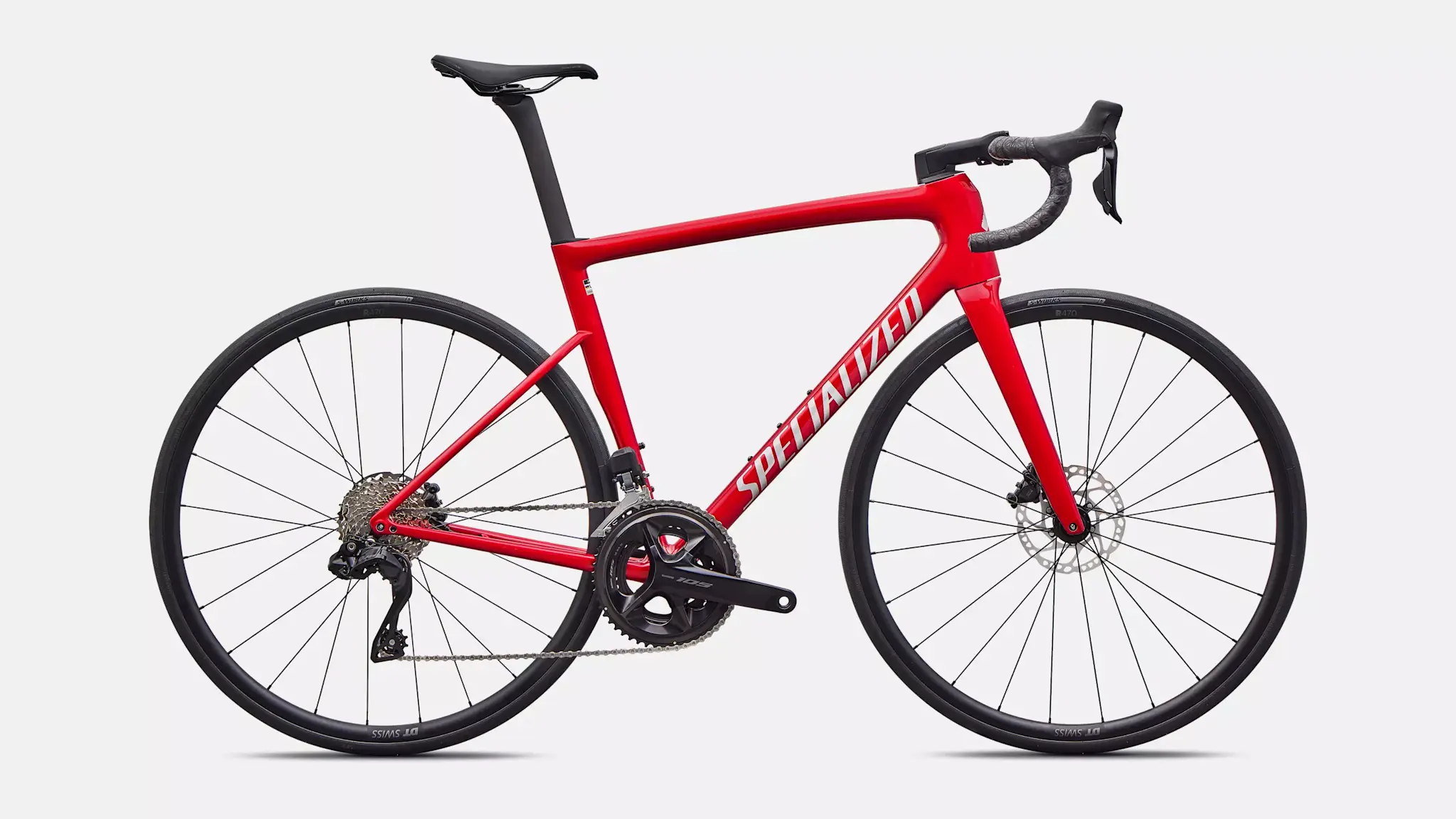
If you've determined an aerodynamic frame suits your riding style and goals, consider these factors:
Performance Level: Entry-level aero frames (under $2,500) typically save 15-25 watts compared to traditional frames. Mid-range options ($2,500-$4,500) save 20-35 watts. Top-tier frames ($4,500+) push savings toward 30-50 watts through maximum integration and optimization.
Versatility Requirements: Modern aero frames vary in versatility. Some pure aero racing frames optimize exclusively for speed, while "aero all-road" designs accommodate wider tires and provide mounting points for fenders and racks. Define your versatility needs clearly.
Fit and Comfort: Aerodynamic frames have evolved dramatically in ride quality. Current designs from reputable manufacturers provide comfort equal to or exceeding traditional race frames. However, aggressive aero positions required to maximize aerodynamic benefits may not suit all riders' flexibility and comfort requirements.
Weight Considerations: If your riding includes significant climbing, consider the weight penalty of aerodynamic frames (typically 200-500 grams heavier than the lightest climbing frames). For most riders on most terrain, the aerodynamic advantages outweigh this penalty.
Discover High-Performance Road Bike Frames
Ready to experience the speed advantages of aerodynamic frame design? Explore our curated collection of road bike frames and framesets featuring cutting-edge aerodynamic designs from leading manufacturers.
Whether you're building a dedicated time trial machine, a modern aero road bike for racing and fast group rides, or seeking the latest designs that optimize aerodynamics without sacrificing versatility, our selection provides the perfect foundation for your performance goals.
Each frameset includes essential components and represents the latest thinking in aerodynamic optimization, stiffness, and ride quality. Visit our showroom to discuss your specific performance goals and learn how aerodynamic frame design can help you achieve your speed potential.
Conclusion: Speed Through Science
Aerodynamic frame design represents one of the most significant performance advances in road cycling history. The wind tunnel-validated, CFD-optimized frames available today deliver measurable, substantial speed advantages that benefit riders at all levels who spend time at racing speeds.
For time trialists, triathletes, criterium racers, and any rider who values going fast, aerodynamic frame optimization isn't optional—it's the most cost-effective performance upgrade available. A 30-watt reduction in aerodynamic drag costs far less than the training time required to increase your sustainable power output by 30 watts, yet delivers identical real-world speed gains.
Modern aerodynamic frames have also evolved beyond the harsh, unforgiving reputation of early designs. Today's best aero frames combine slippery aerodynamics with excellent stiffness, comfortable ride quality, and confident handling. The old trade-offs have largely disappeared—you no longer must choose between speed and other desirable characteristics.
Whether you're chasing podiums, personal records, or simply the pure satisfaction of going faster with the same effort, aerodynamic frame design offers proven, quantifiable advantages. When speed matters most, aerodynamics is where physics, engineering, and performance converge.
Recent articles
View all
Smart Trainer vs Wheel-On Trainer: Which Indoor Bike Trainer Should You Buy?
Best Indoor Cycling Apps for Smart Trainers: Zwift, TrainerRoad, and More